 1900 2039
  p.dbcl@ntt.edu.vn


NTTU – From 21 June 2025 to 1 July 2026, within the framework of the working visit to Europe under the ACCEES Project, the delegation from Nguyen Tat Thanh University (NTTU) visited and explored models of digital learning spaces, innovation centres, and smart libraries at three partner universities, namely the University of Mons (Belgium), the University of Strasbourg (France), and the University of Patras (Greece). These models not only demonstrate how universities invest in technological infrastructure but also how they build modern learning ecosystems to develop digital competencies, promote innovation, and prepare high-quality human resources to meet the requirements of the digital economy.
The NTTU delegation was led by Dr. Tran Ai Cam – President of the University, together with representatives from Vietnamese universities and educational organisations participating in the programme to exchange and learn about experiences in digital transformation in higher education.
Innovation Spaces Connected with Training, Research, and Enterprises
The delegation’s first stop was Fab Lab Le Click at the University of Mons (Belgium) – an innovation centre integrating training, research, technology transfer, and start-up support. Here, technologies such as artificial intelligence (AI), the Internet of Things (IoT), robotics, and 3D printing are applied in learning, research, and product development activities.
In addition to visiting the facilities, the NTTU delegation also exchanged with experts about the operational model of the innovation centre and how to connect lecturers, students, enterprises, and research groups to form an innovation ecosystem within the university. This is one of the models that helps learners develop creative thinking, problem-solving capabilities, and the ability to apply technology in practice, thereby improving their adaptability to the working environment in the digital era.
In addition, the delegation visited the library of the University of Mons – a space supporting learning and research, providing resources and services for learners, lecturers, and researchers. The library model demonstrates the role of academic spaces in supporting self-directed learning, knowledge exploration, and connections with training and research activities within the university.
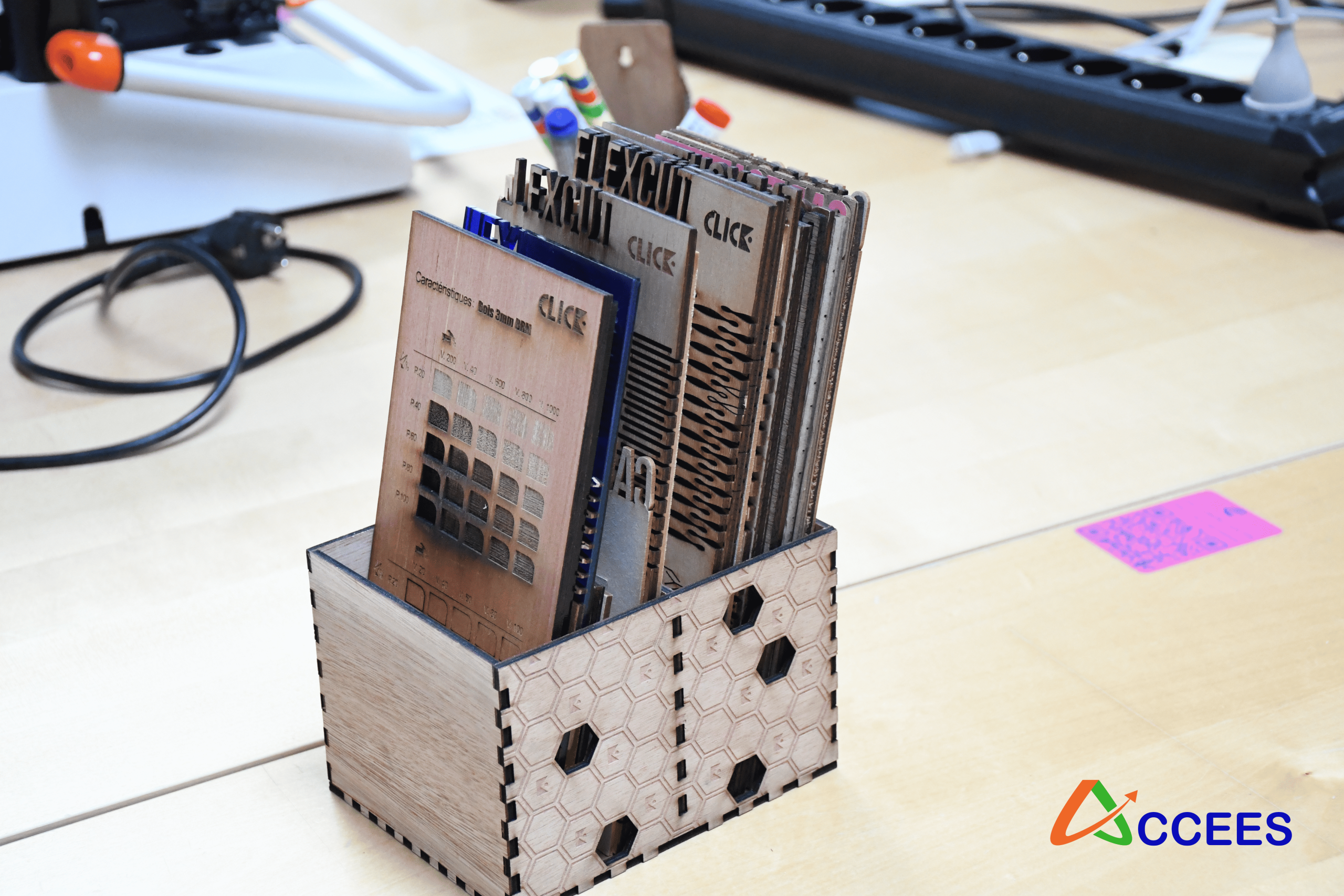
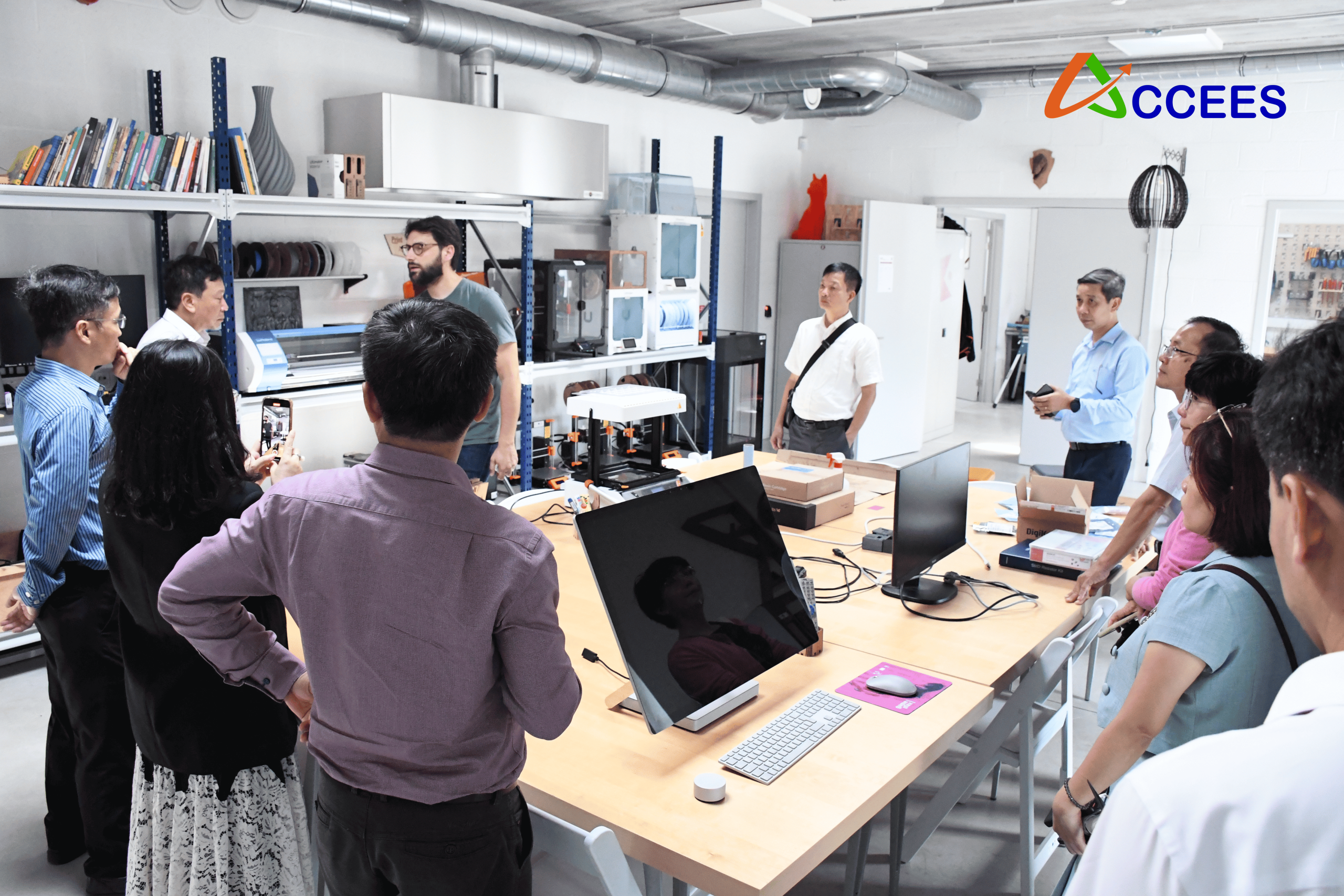
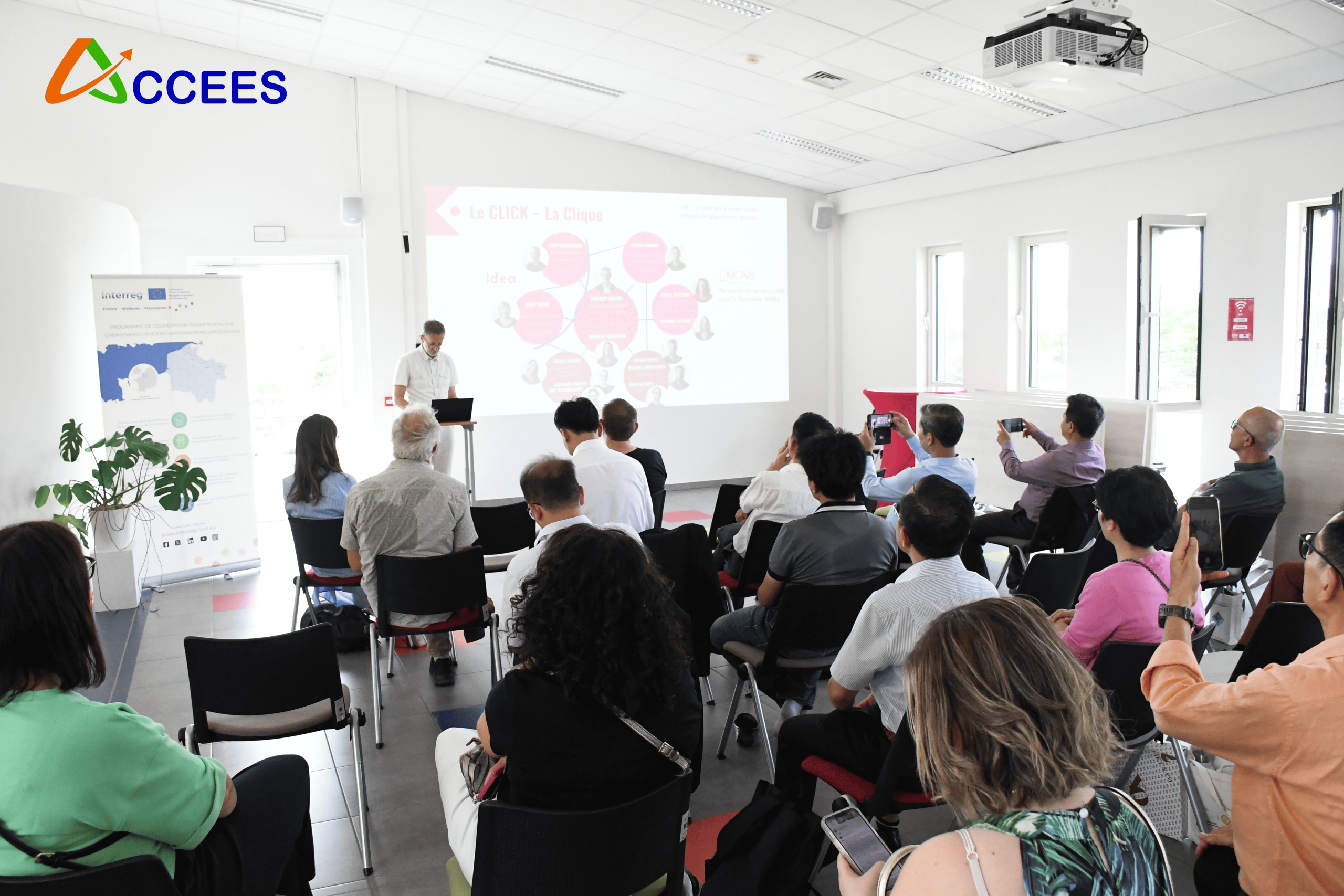
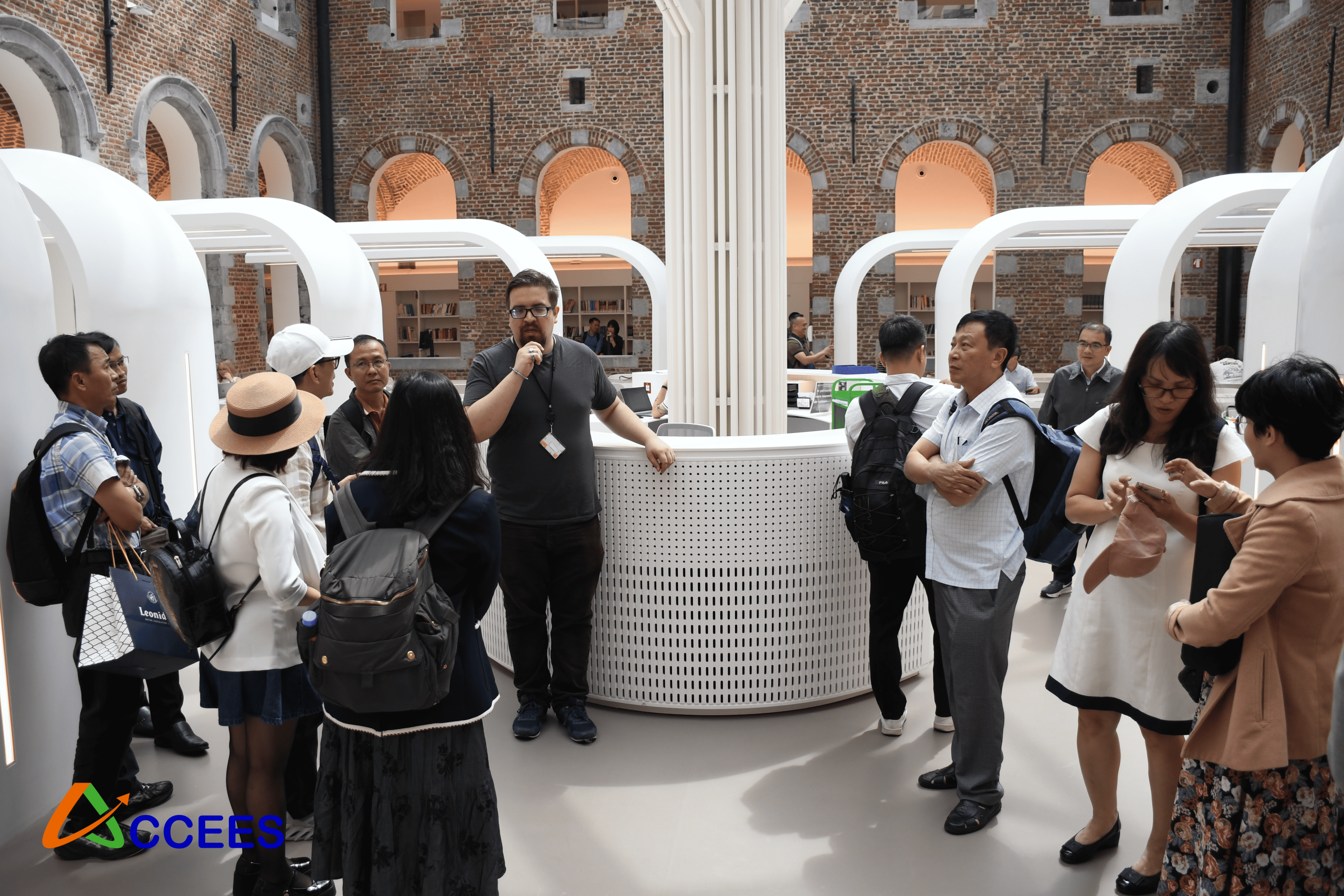
The NTTU delegation visits the innovation space and library at the University of Mons (Belgium)
A Learner-Centred Digital Learning Environment
At the University of Strasbourg (France), the delegation explored the L’@telier model – a space supporting lecturers in developing digital learning materials, innovating teaching methods, and designing interactive learning activities. Alongside this is Le Studium, a combined learning library model developed according to a learner-centred philosophy, integrating flexible learning spaces with various services supporting learning, research, and collaboration.
Through the working sessions, the delegation focused on learning how European universities develop digital learning environments, utilise digital learning materials, and build ecosystems supporting learners. These models contribute to developing students’ self-directed learning capabilities, digital skills, collaboration skills, and adaptability in response to the increasingly high requirements of the labour market and digital economy.
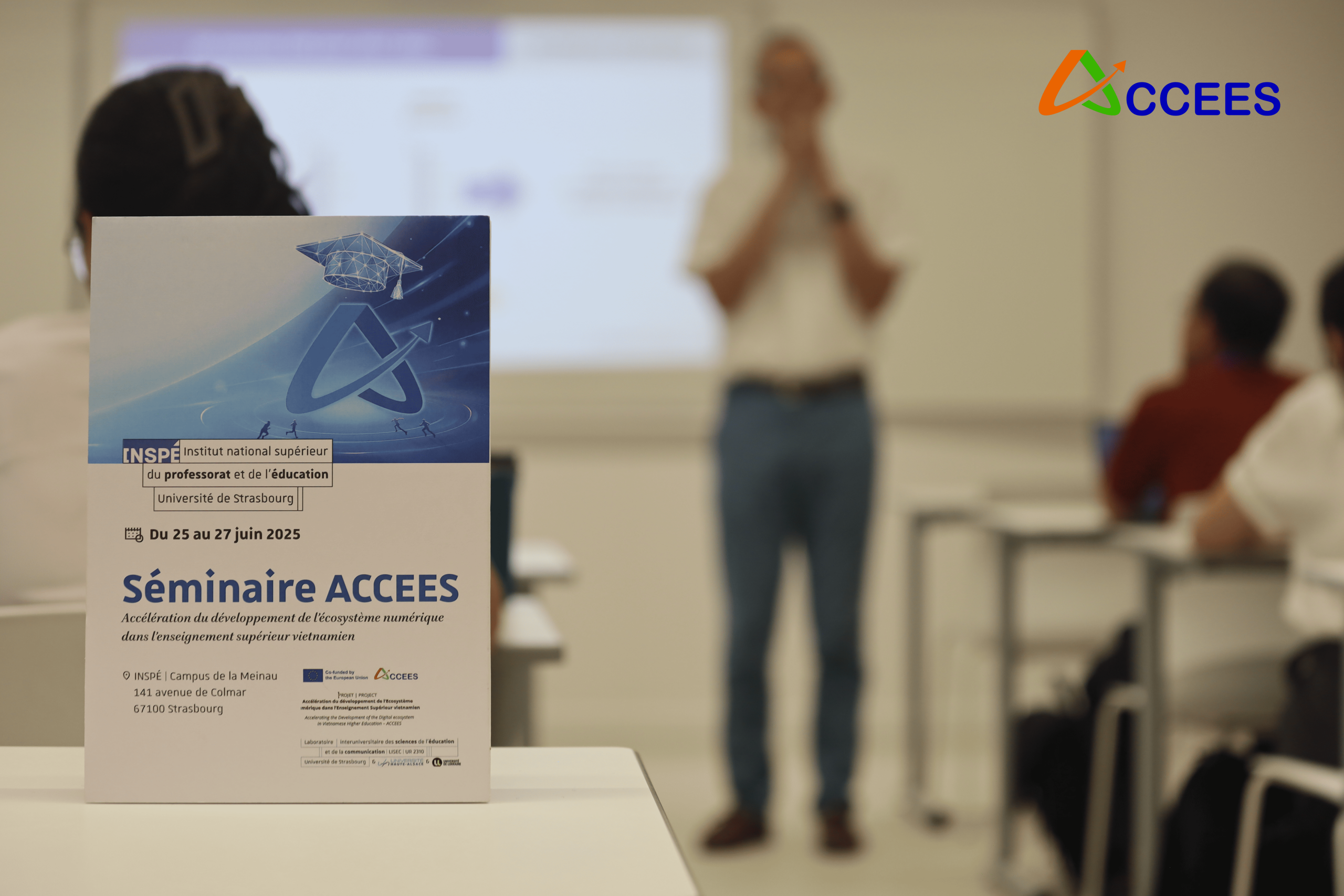
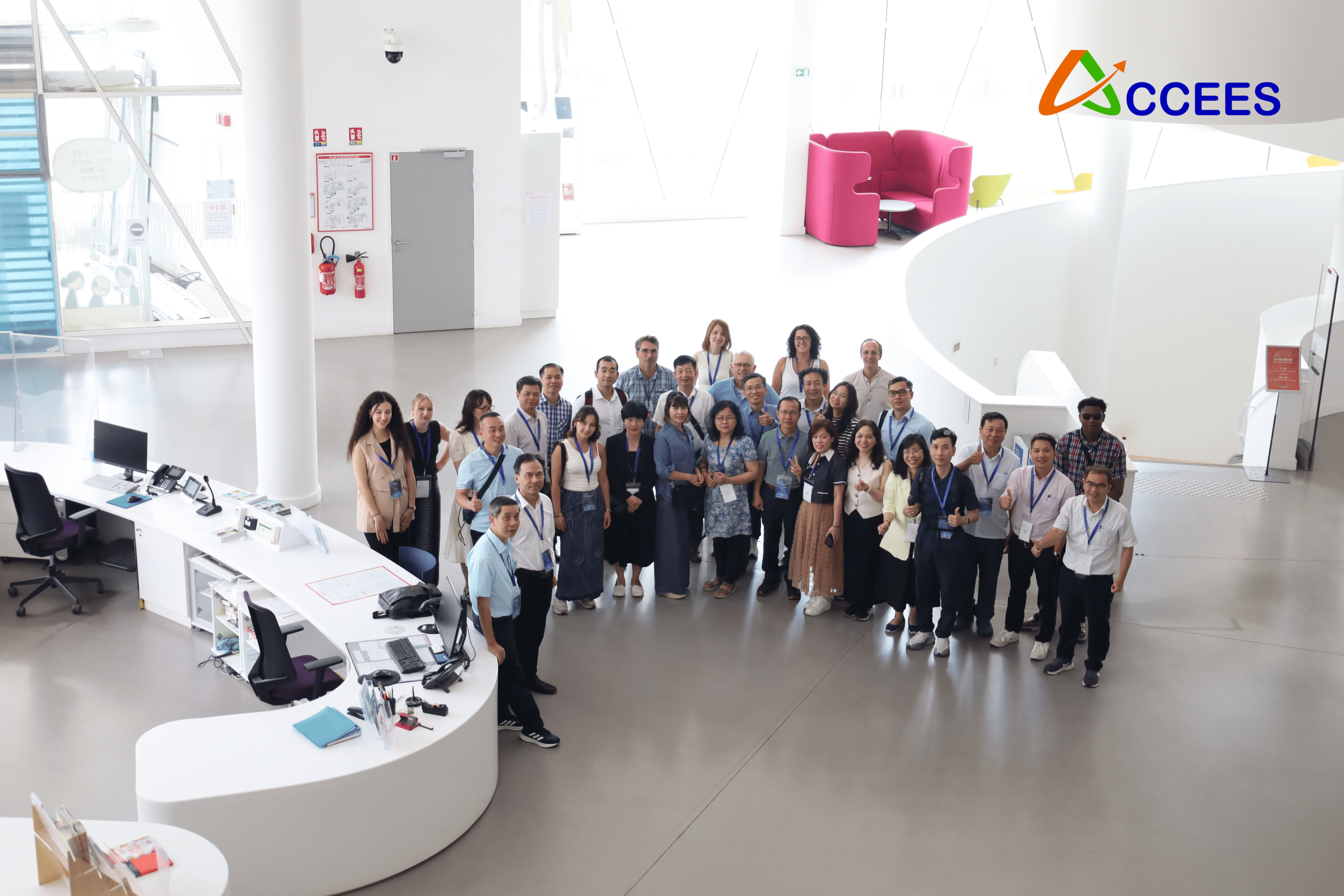
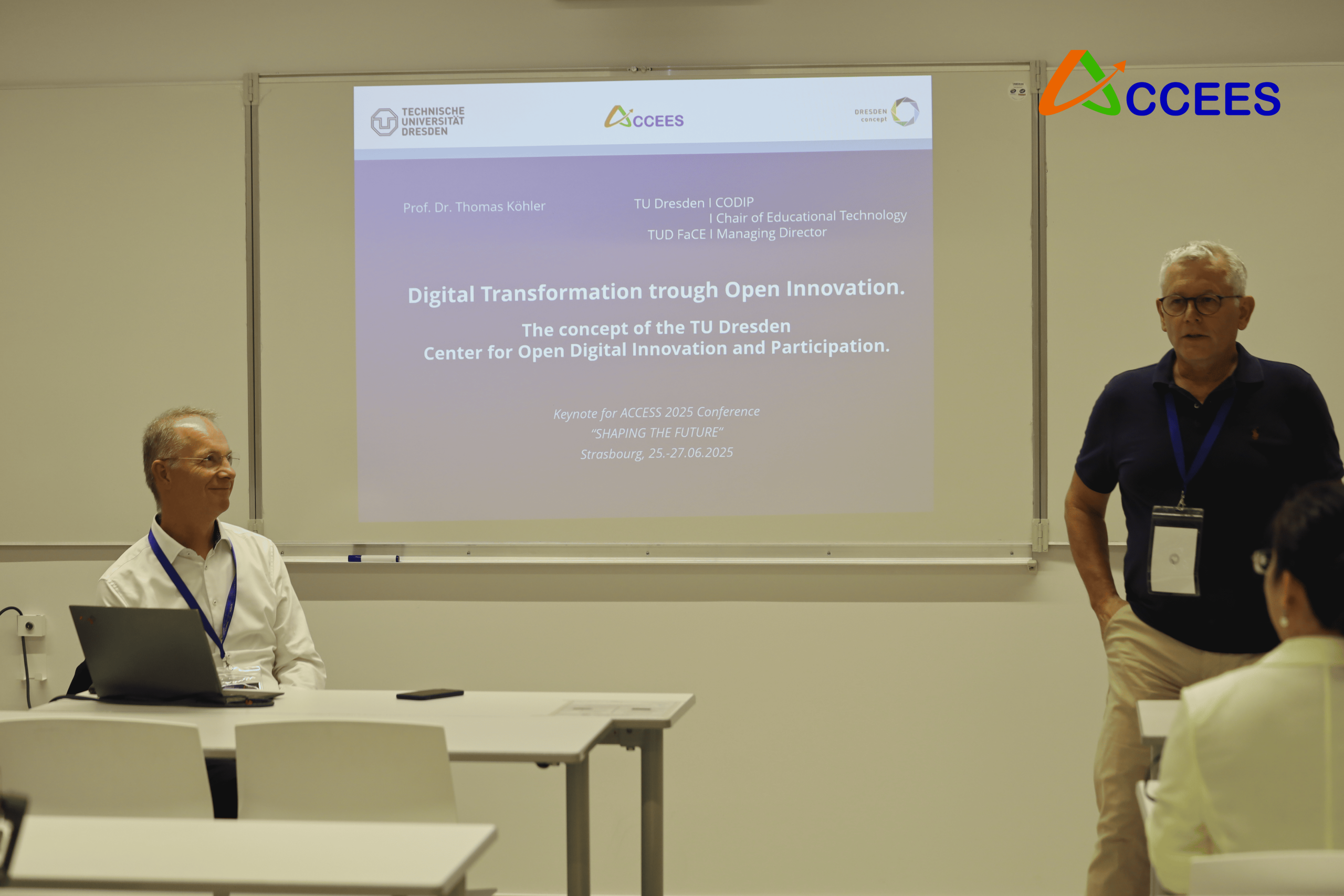
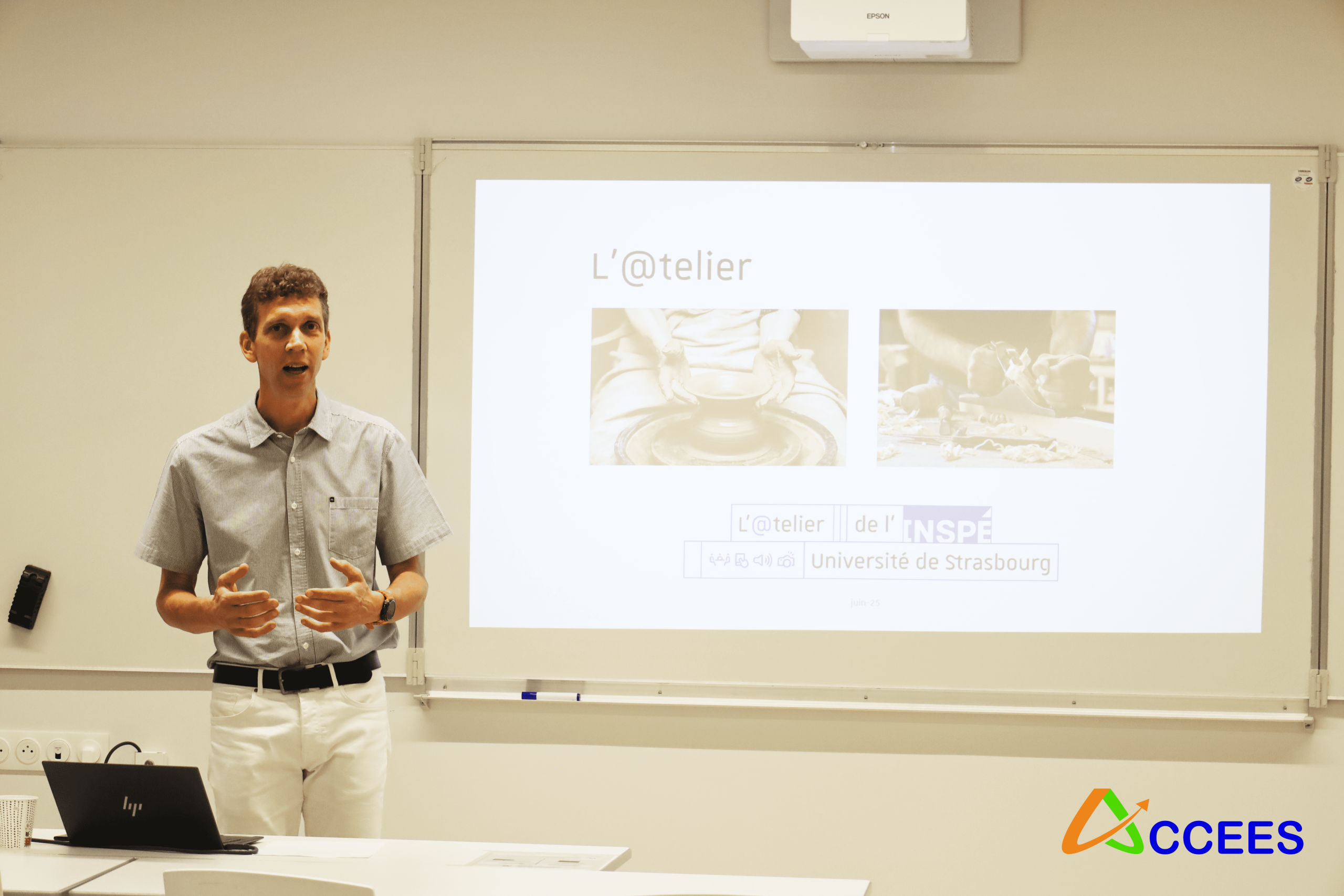
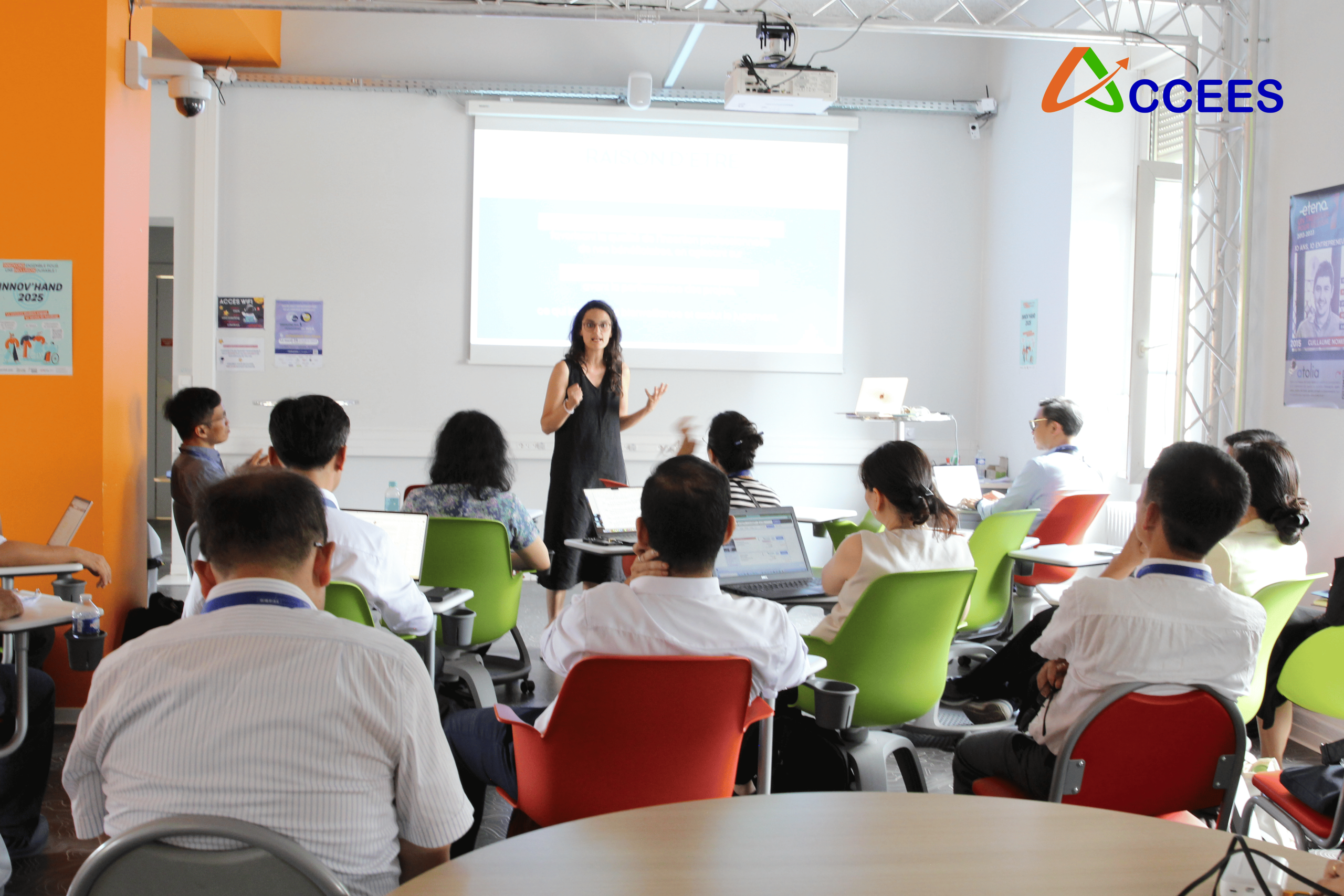
NTTU explores the L’@telier and Le Studium digital learning space models at the University of Strasbourg (France)
Digital Libraries and Open Learning Ecosystems Promoting Digital Competency Development
At the University of Patras (Greece), the delegation continued to explore the digital library model and blended learning system, where learners can access electronic learning resources, connect with international academic databases, and participate in learning activities on digital platforms.
The delegation also exchanged with experts on how to apply technology to build an open learning environment, promote knowledge sharing, and develop lifelong learning. By integrating digital technology with training and research activities, universities have created conditions for students to develop digital competencies, innovative thinking, and professional skills, meeting the requirements of enterprises in the context of digital transformation.
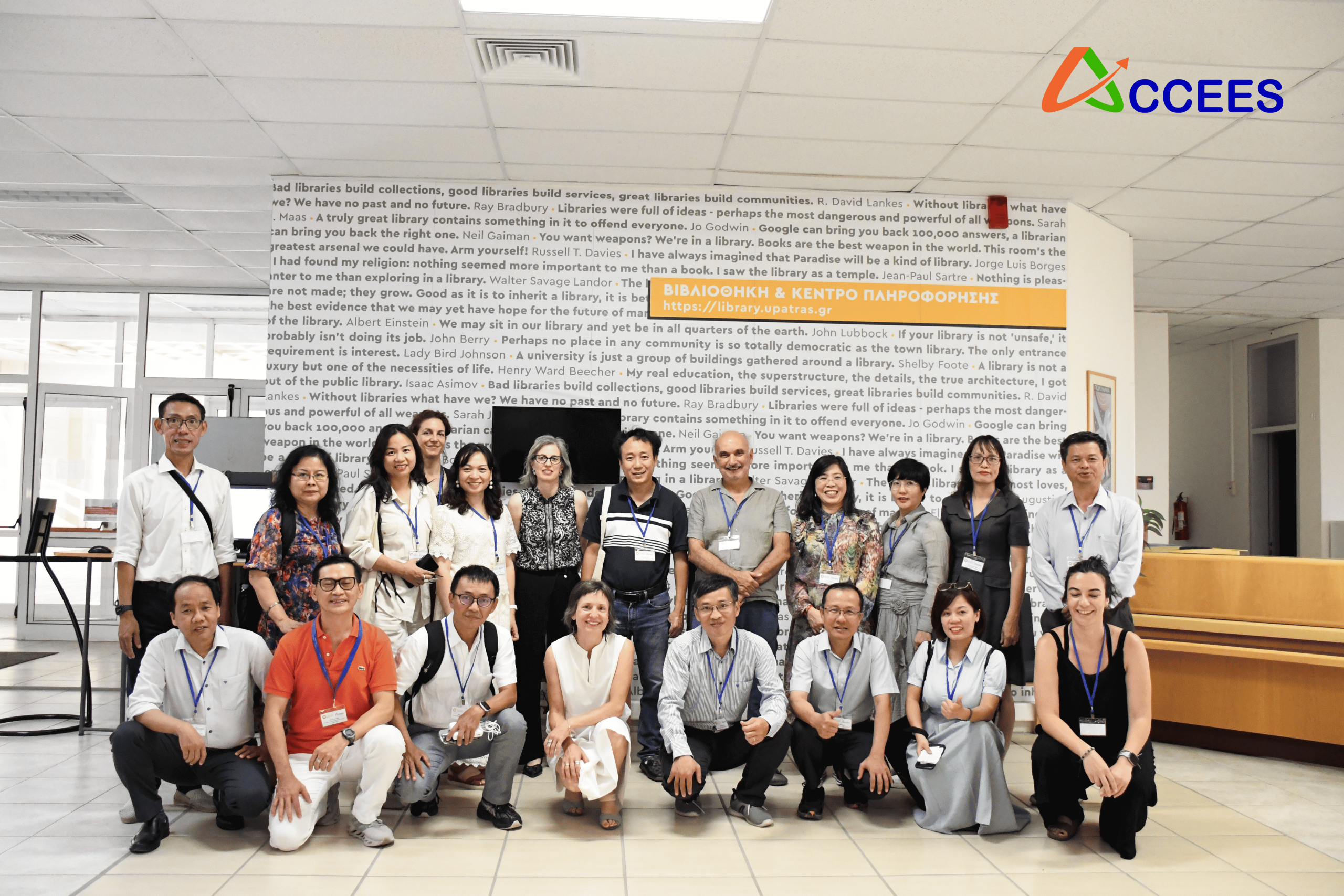
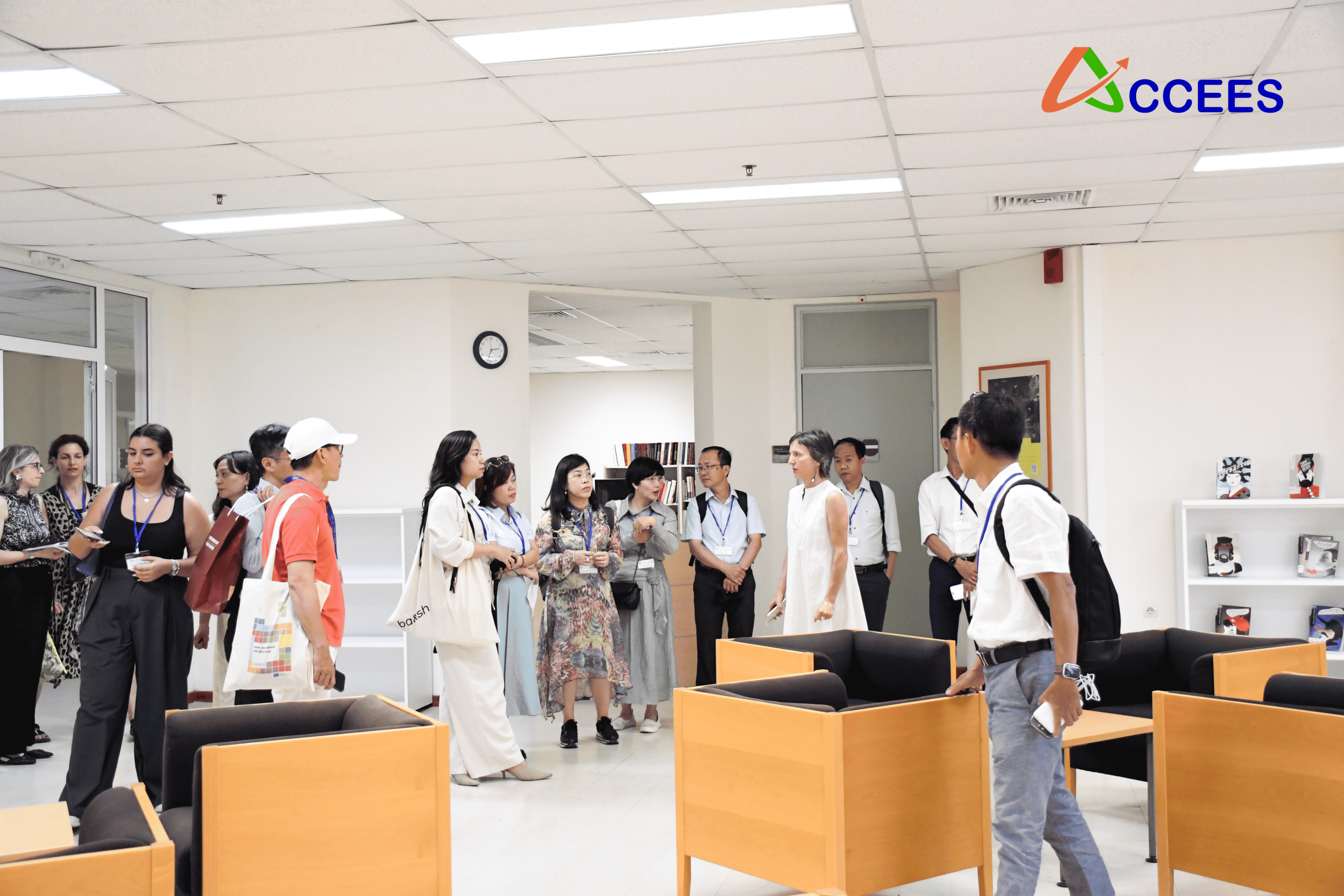
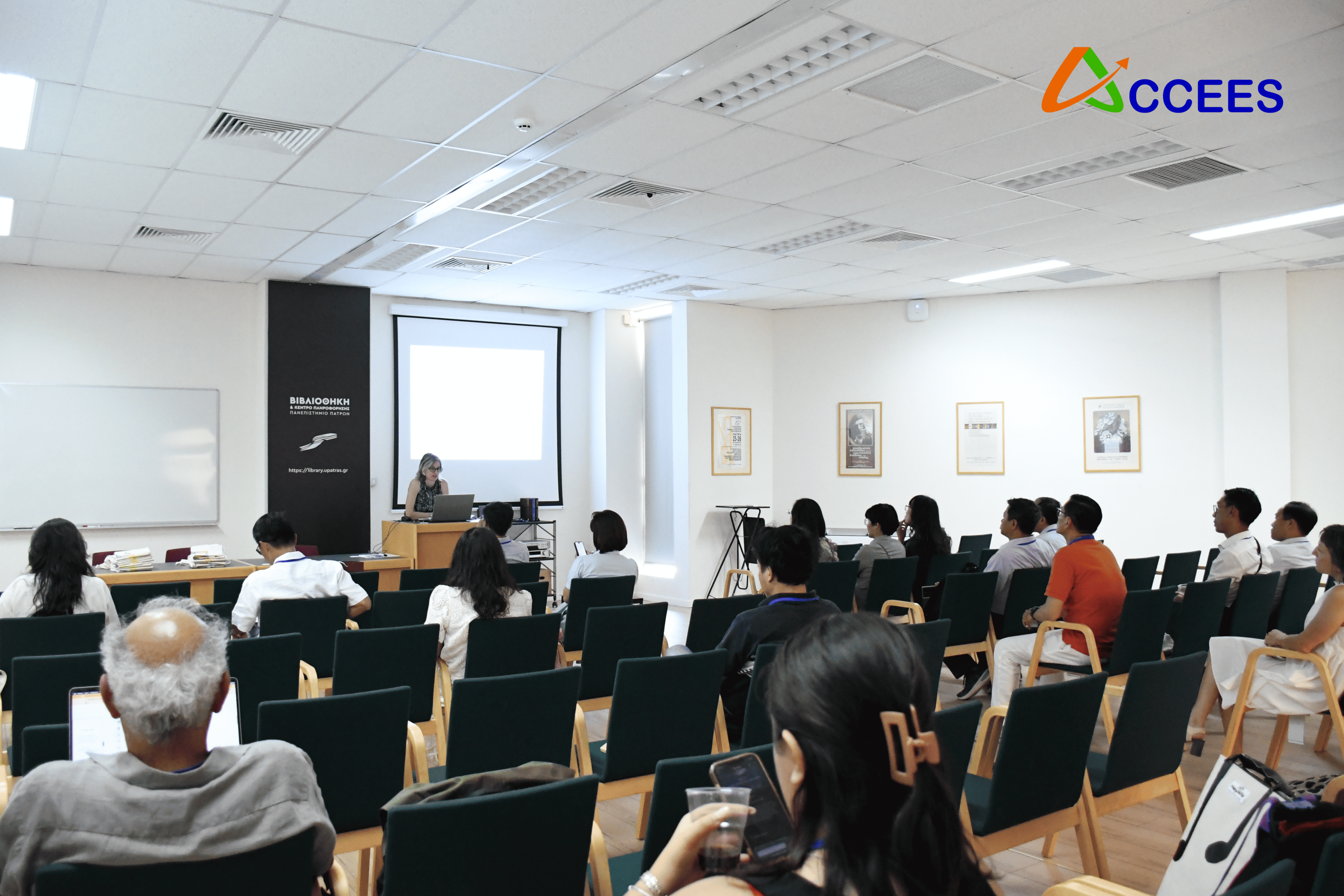
NTTU visits the digital library and open learning space at the University of Patras (Greece)
Learning from International Experiences to Develop Human Resources for the Digital Economy
Through the working visit, the delegation from Nguyen Tat Thanh University had the opportunity to compare advanced European models with the University’s digital transformation platforms that have already been and are being implemented, such as ERP, CRM, LMS, digital libraries, data platforms, and AI applications in administration, training, and research.
The experiences gained from the partner universities will serve as a basis for NTTU to continue developing a modern digital learning environment, strengthening the application of technology in teaching and learning, while promoting innovation and developing digital competencies among lecturers and students. By building a learning ecosystem connected with technology, research, and enterprises, the University aims to train high-quality human resources with professional competencies, digital skills, and the ability to adapt to the labour market, meeting the requirements of the digital economy.
This is also one of the key orientations of the ACCEES Project, which aims to promote digital technology ecosystems in higher education, improve the quality of education, strengthen innovation, and contribute to preparing human resources capable of lifelong learning and meeting the requirements of socio-economic development in the digital era
