 1900 2039
  p.dbcl@ntt.edu.vn


As part of the ACCEES project, Vietnamese universities had the opportunity to learn about eduroam – a Wi-Fi roaming network for the global education and research community – while discussing the conditions necessary to implement this service in Vietnam.

On October 13, 2025, ACCEES organized the webinar “Raising Awareness of the Global Secure Wi-Fi Roaming System eduroam in Higher Education,” with the participation of representatives from member universities and interested educational institutions and organizations. The program featured a presentation by Mr. Paul Hii from the Australian Academic and Research Network (AARNet), focusing on how eduroam operates, its security requirements, and the pathway for Vietnamese higher education institutions to join the eduroam network.
One Account, Connectivity Across Multiple Educational Institutions
Originating in Europe, eduroam (education roaming) has now been deployed in more than 100 countries and territories, serving the education and research community worldwide. Eduroam allows students, lecturers, and researchers to use an account provided by their university or organization to access Wi-Fi at participating educational institutions without having to register again or request a password at each location. When users connect to the eduroam network, the system authenticates them through their home institution before granting access. This mechanism not only provides convenience for people who frequently travel between universities but also enhances the security of authentication information.
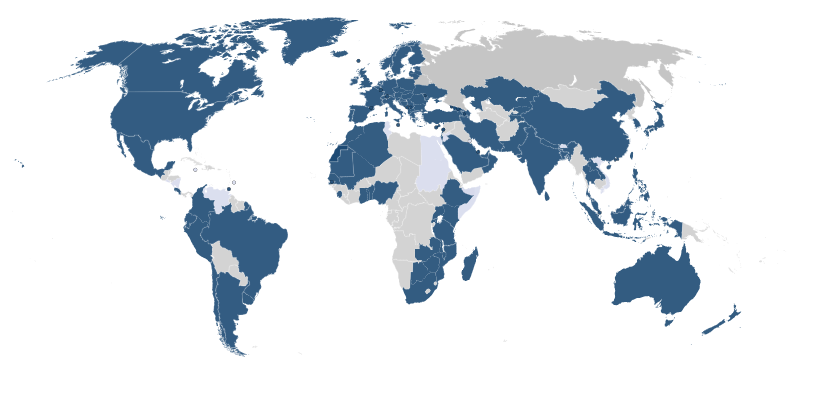
In the university environment, eduroam is particularly useful for student and faculty exchanges, research, and international cooperation, where movement between educational institutions is a regular part of academic activities.
More Than Just a Wi-Fi Network
An important topic of the webinar was the requirements for Vietnam to participate in the eduroam system. Delegates were introduced to the operational model, the role of a national-level coordinating organization, and the technical requirements for participating universities.
Technically, eduroam relies on mechanisms such as 802.1X, RADIUS, and mutual authentication, while also requiring participating institutions to ensure the ability to manage and retrieve necessary information during the user authentication process. This demonstrates that bringing eduroam to Vietnam is not simply a matter of deploying an additional Wi-Fi network at individual universities, but requires a coordination mechanism and shared infrastructure among participating institutions.
Following the expert presentation, Nguyen Tat Thanh University (NTTU), as well as other project member universities, gained a stronger basis for considering the requirements related to network infrastructure and access management, particularly as lecturers, students, and researchers increasingly participate in academic activities both domestically and internationally.
