 1900 2039
  p.dbcl@ntt.edu.vn


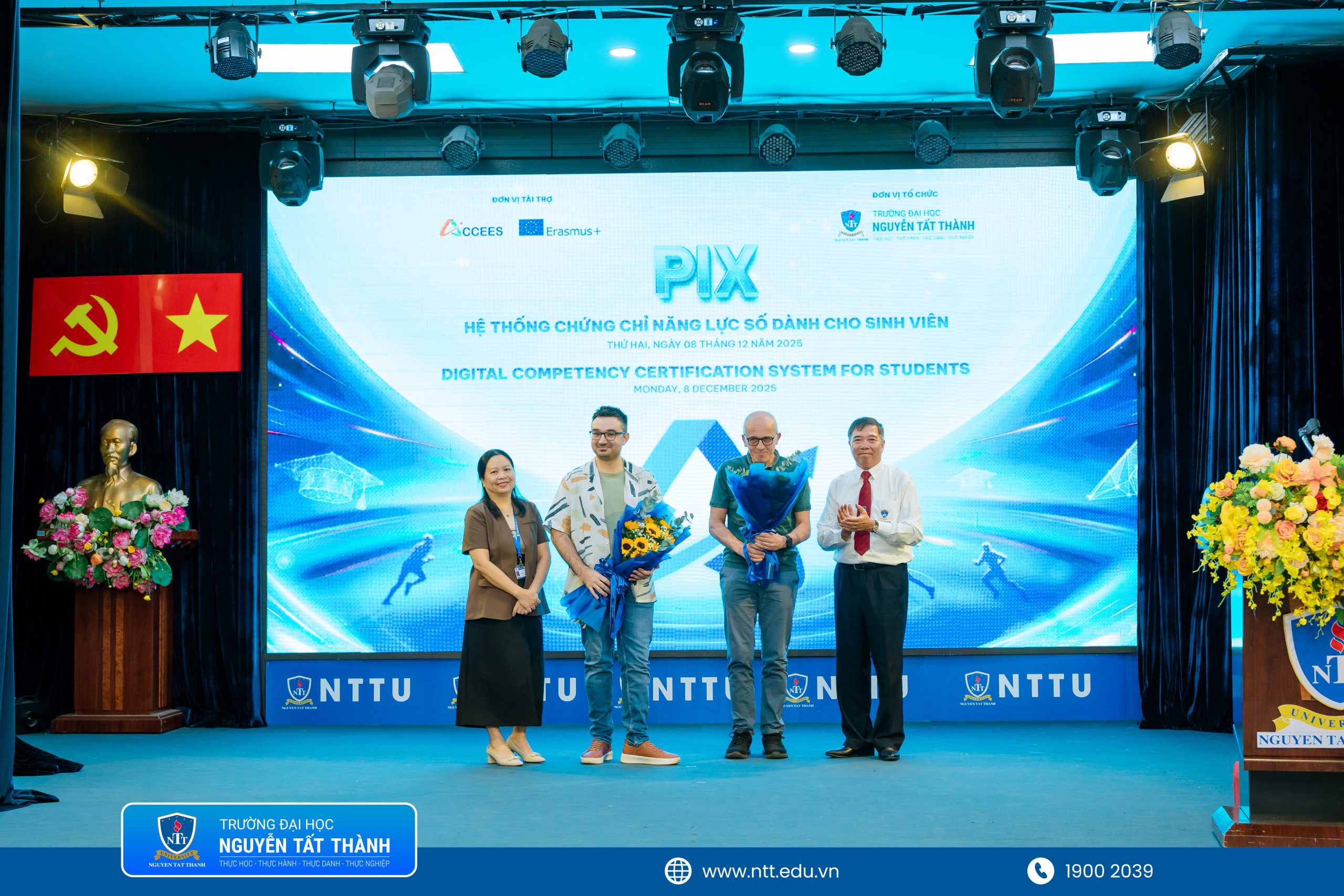
In the context of digital transformation taking place strongly across all fields, digital competency is no longer a supplementary skill but has become an important foundation that helps students study effectively, adapt to the modern working environment, and enhance their competitiveness in the labour market. In order to create conditions for learners to access international digital competency standards, Nguyen Tat Thanh University (NTTU) organised the thematic presentation “Pix – Digital Competency Certification System for Students” within the framework of the ACCEES Project (Accelerating the Digital Ecosystem for Higher Education in Vietnam), funded by the European Union. The programme contributes to realising the goal of developing high-quality digital human resources to meet the requirements of the digital economy and the constantly evolving labour market.
The event attracted the participation of a large number of lecturers, students, representatives of ACCEES member universities, enterprises, and domestic and international educational organisations, both in person and online. The programme featured presentations by Prof. Gaëtan Temperman (University of Mons, Belgium) – an expert in digital education, and Ms. Angélina Magne – representative of Pix (France), the organisation that developed the digital competency assessment platform according to European standards.
Representing Nguyen Tat Thanh University were Assoc. Prof. Dr. Nguyen Kim Hong – President of the University, Dr. Phan Thi Viet Nam – Vice President of the University, together with leaders of faculties, institutes, departments, divisions, and a large number of lecturers and students.
Developing Digital Competencies – Preparing Students for Their Careers
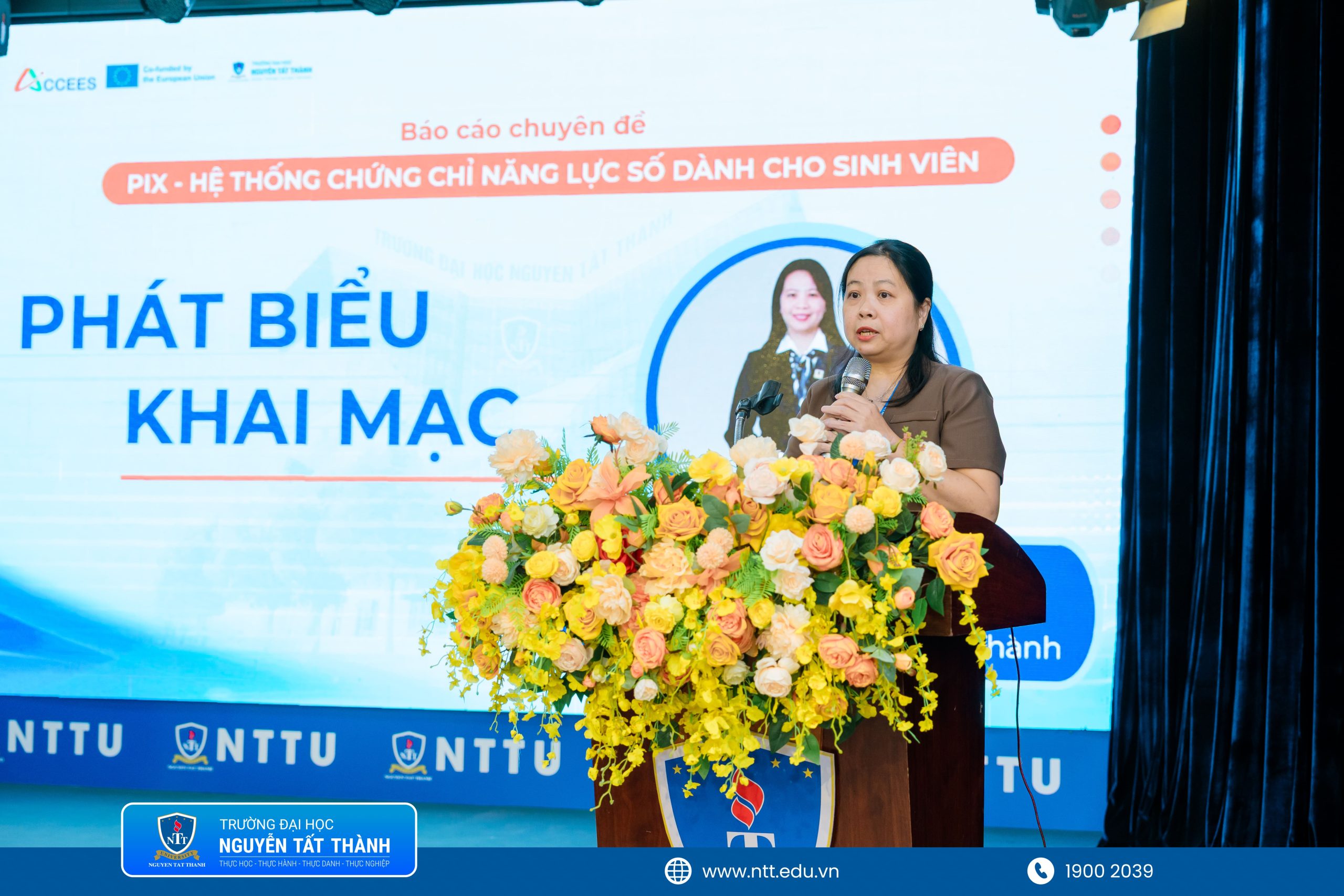
In her opening remarks, Dr. Phan Thi Viet Nam emphasised that the Fourth Industrial Revolution is changing learning and working methods, as well as the competency requirements for the future workforce. In this context, alongside professional knowledge, students need to be equipped with digital competencies so that they can adapt to digital working environments, engage in lifelong learning, and meet the increasingly high requirements of enterprises.
According to Dr. Phan Thi Viet Nam, access to international digital competency assessment standards not only contributes to innovating training activities but also helps improve students’ employability, competitiveness, and ability to integrate after graduation. This is also one of the important orientations in Nguyen Tat Thanh University’s development strategy towards an innovative, digitalised, green, and humanistic university model
Pix – A Digital Competency Assessment Standard Based on European Standards
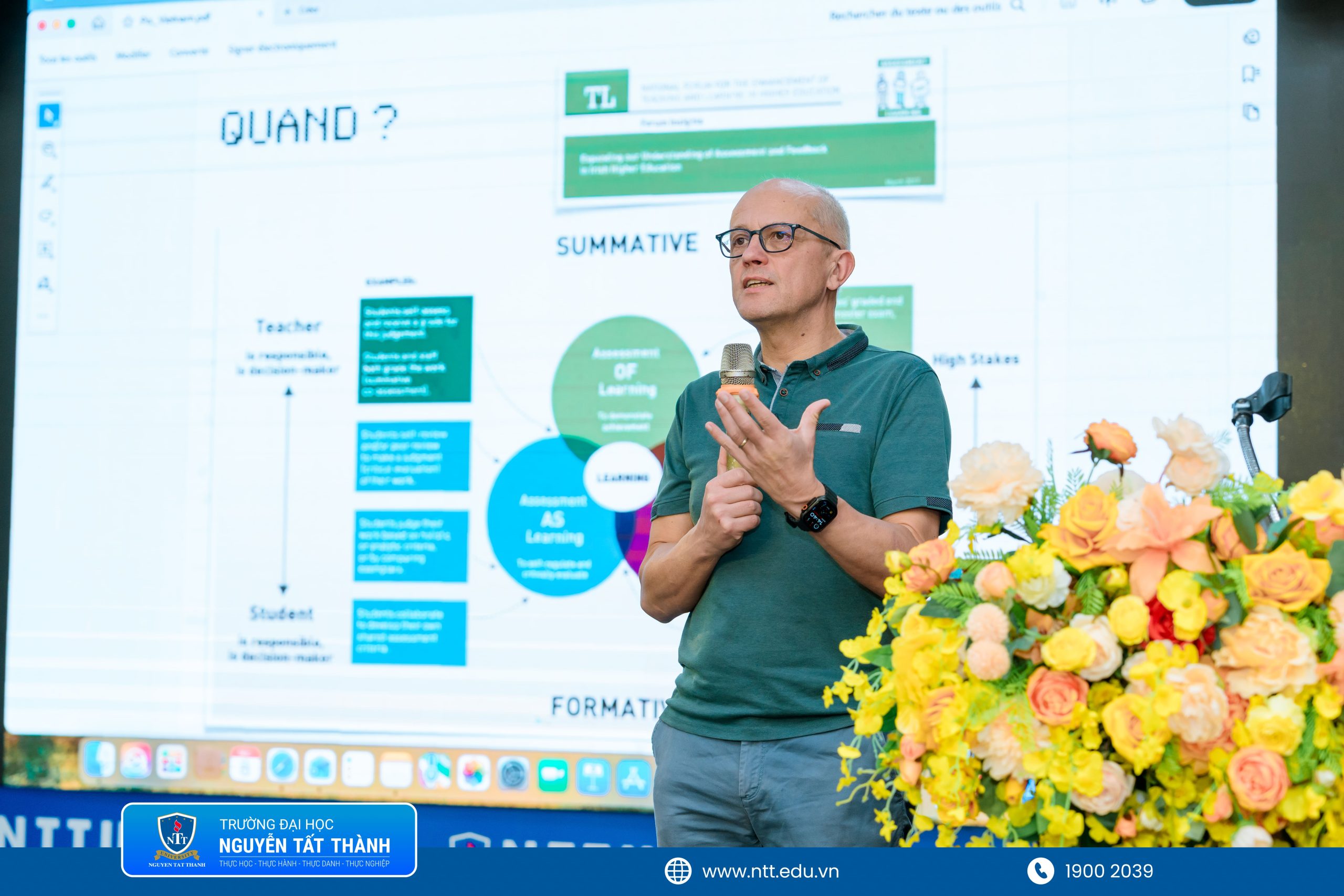
In the professional presentation, Prof. Gaëtan Temperman shared research findings on the role of digital competency in learning, career adaptability, and workforce development in the digital era. According to him, following the COVID-19 pandemic, digital skills have become a foundation enabling learners to access information, collaborate online, create content, solve problems, and work effectively in digital environments.
Next, Ms. Angélina Magne introduced the Pix system – a digital competency assessment and certification platform developed based on the DigComp Digital Competence Framework of the European Union. Pix assesses 16 digital competencies across various essential skill groups, including searching for and processing information, data management, online communication and collaboration, digital content creation, information security, personal data protection, solving digital technical problems, and building digital environments suited to learning and working needs.
Unlike conventional knowledge tests, Pix develops an assessment system based on practical situations, enabling learners to apply digital skills to solve tasks closely related to learning and professional environments, such as processing data, creating digital documents, collaborating online, protecting personal information, or solving technical problems. This approach contributes to developing competencies that enterprises increasingly value in the recruitment and development of human resources process.
Connecting Education with Labour Market Needs
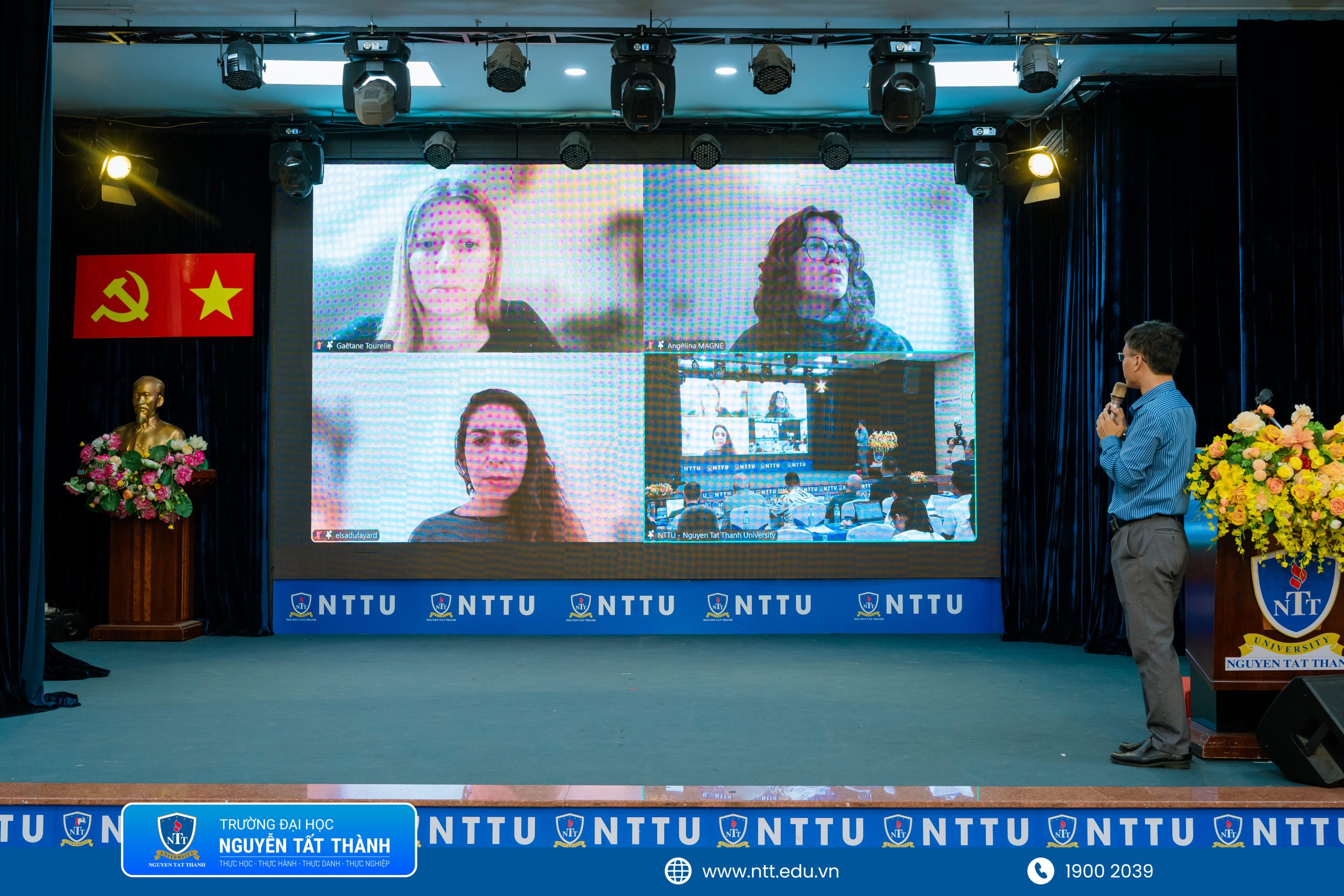
The discussion session took place actively, with the participation of experts, lecturers, enterprise representatives, and member universities of the ACCEES Project. Many questions were raised concerning the potential implementation of the Pix system in Vietnamese higher education, from technological infrastructure requirements, assessment methods, and certification organisation to the integration of digital competency standards into training programmes. In particular, Dr. Le Trung Nghia – Deputy Director of the Institute for Research, Training and Development of Open Educational Resources – shared many perspectives on applying digital competency standards and open educational resources to support the digital transformation process in higher education. In addition, lecturers and enterprise representatives discussed the possibility of connecting digital competency assessment standards with recruitment needs, thereby helping students build transparent competency profiles, enhance their adaptability, and be better prepared to enter the labour market in the digital economy.


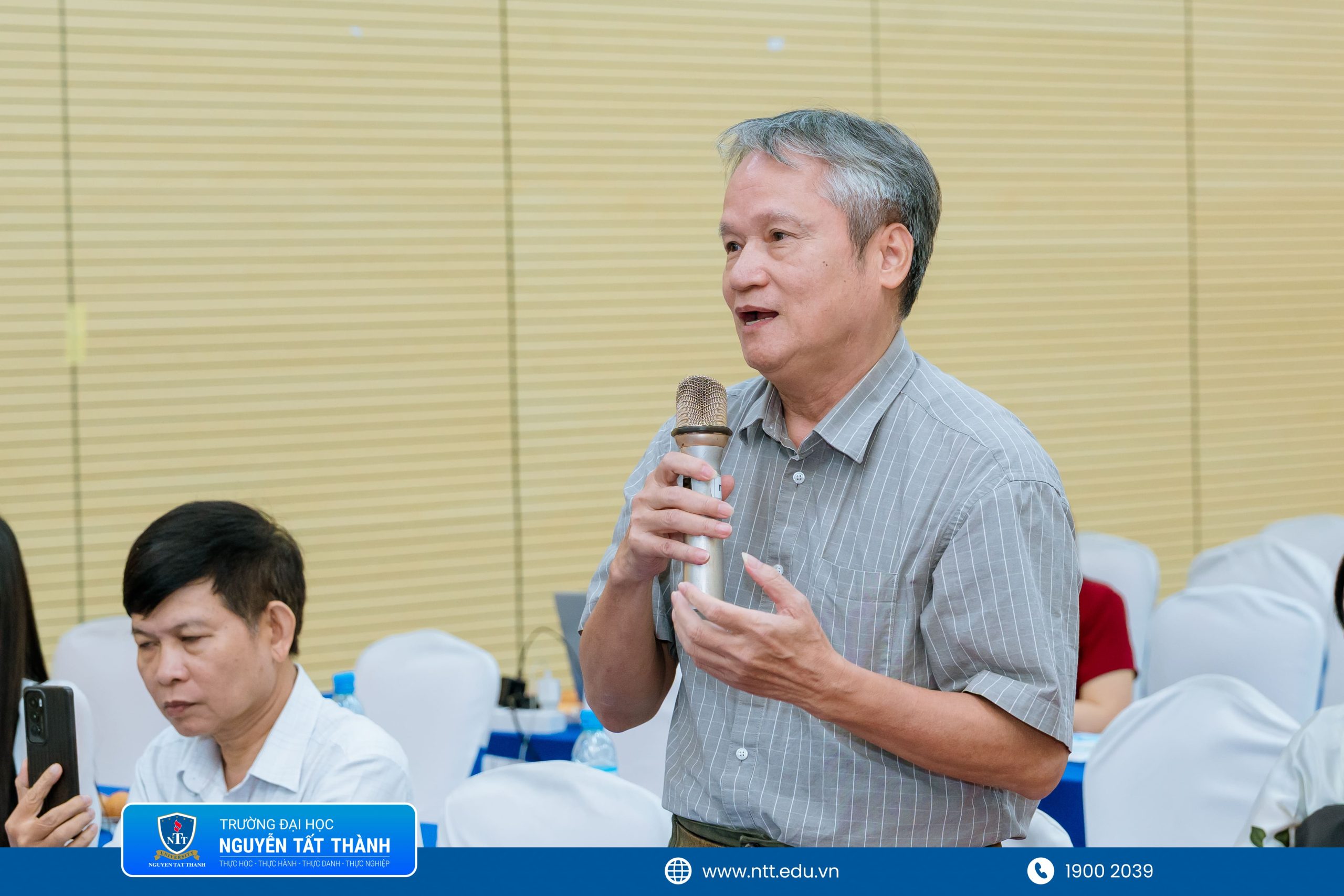
Delegates, experts, lecturers, and enterprise representatives discuss the potential implementation of the Pix system in higher education at the discussion session organised by Nguyen Tat Thanh University within the framework of the ACCEES Project
ACCEES Supports Universities in Developing Digital Human Resources
The organisation of the thematic presentation on Pix is one of the activities of the ACCEES Project aimed at promoting the development of digital technology ecosystems in Vietnamese higher education. Through access to international digital competency standards, the project seeks to support universities in improving the quality of education, developing digital skills among lecturers and students, while strengthening the connection between higher education and the needs of enterprises and the labour market.
For students, access to internationally standardised assessment tools such as Pix not only helps them identify and systematically develop their digital competencies but also creates conditions for building transparent competency profiles, increasing their ability to adapt to modern working environments, and expanding career opportunities in the digital economy. For enterprises, this also provides a basis for identifying and recruiting human resources with digital competencies assessed according to international standards, contributing to the development of high-quality human resources to support digital transformation and sustainable economic growth.
For more details about the thematic presentation: https://www.youtube.com/watch?v=KcLhZwTRLnw&t=56s
