 1900 2039
  p.dbcl@ntt.edu.vn


NTTU – From August 15–16, 2023, Nguyen Tat Thanh University (NTTU) organized an Internal Assessment Team to directly evaluate the strengths and areas for improvement across its training programs. This session followed a month of intensive self-reflection where the programs finalized their Self-Assessment Reports and the assessment team members conducted rigorous reviews of the supporting evidence dossiers.
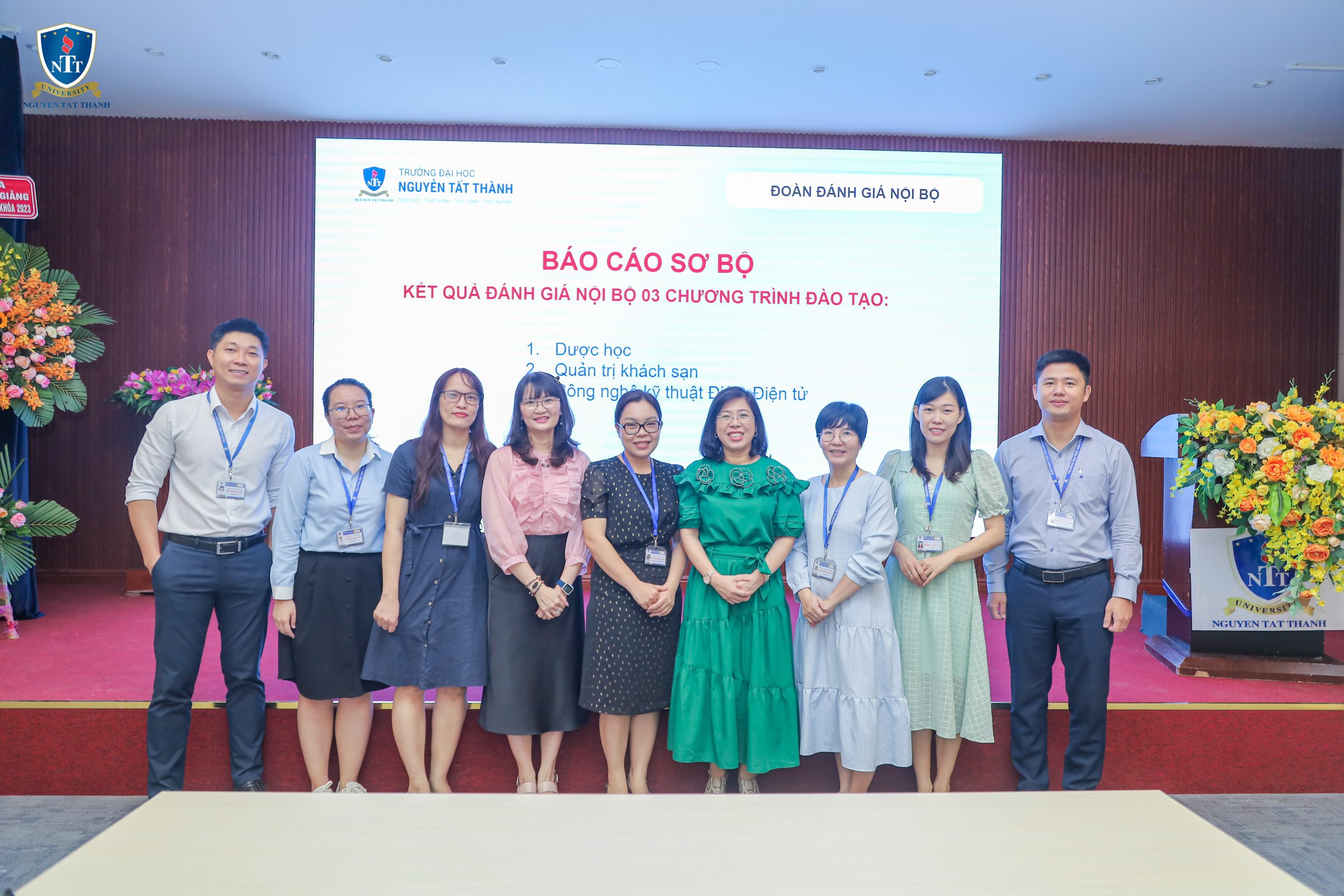
The Internal Assessment Team comprised the President, the Department of Quality Assurance, the Department of Human Resources, the Library and Information Center, the Department of Science and Technology, and the NTTU Office, along with external expert Assoc. Prof. Dr. Pham Van Tuan. Together, they conducted comprehensive evaluations of the programs’ reports and evidence.
Dr. Tran Ai Cam, Head of the Internal Assessment Team and President of NTTU, commended the programs for their serious commitment and collaboration in meeting the designated timeline. She noted that this marks the University’s inaugural implementation of internal assessment as a cornerstone for periodic internal quality improvement.
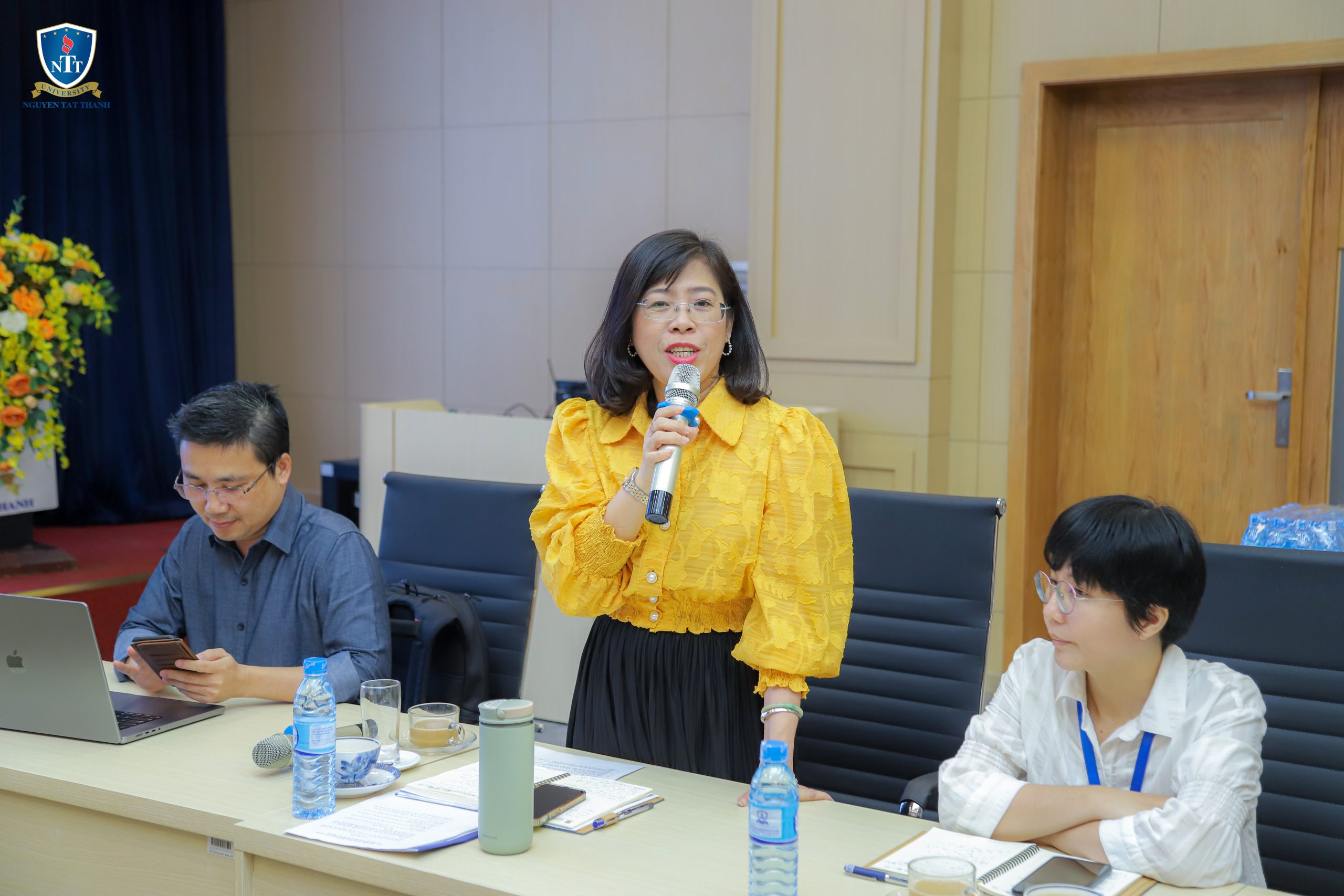
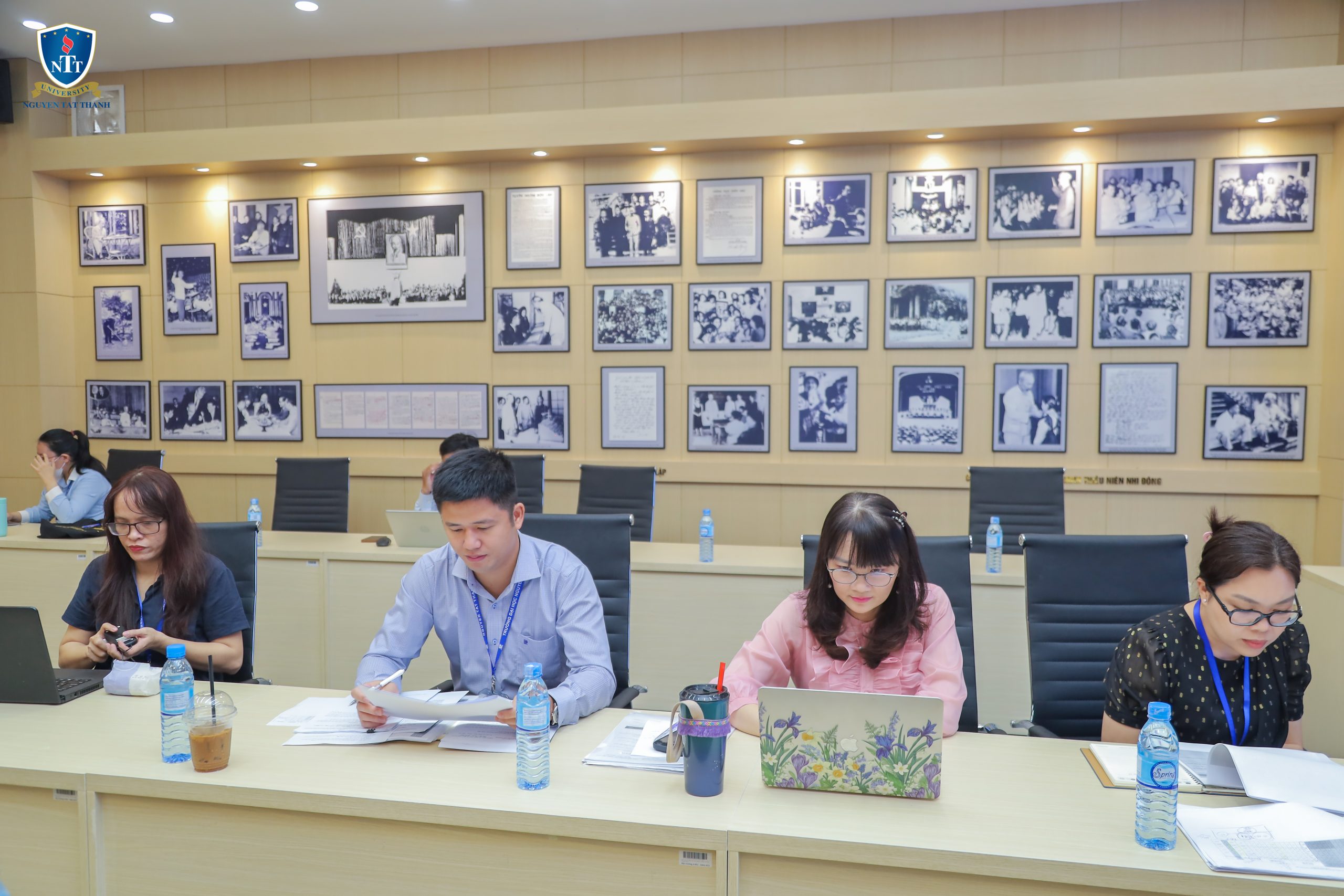
On August 15, 2023, the team worked directly with three programs: Pharmacy, Hospitality Management, and Electrical and Electronic Engineering Technology, focusing on their respective strengths and areas for enhancement.
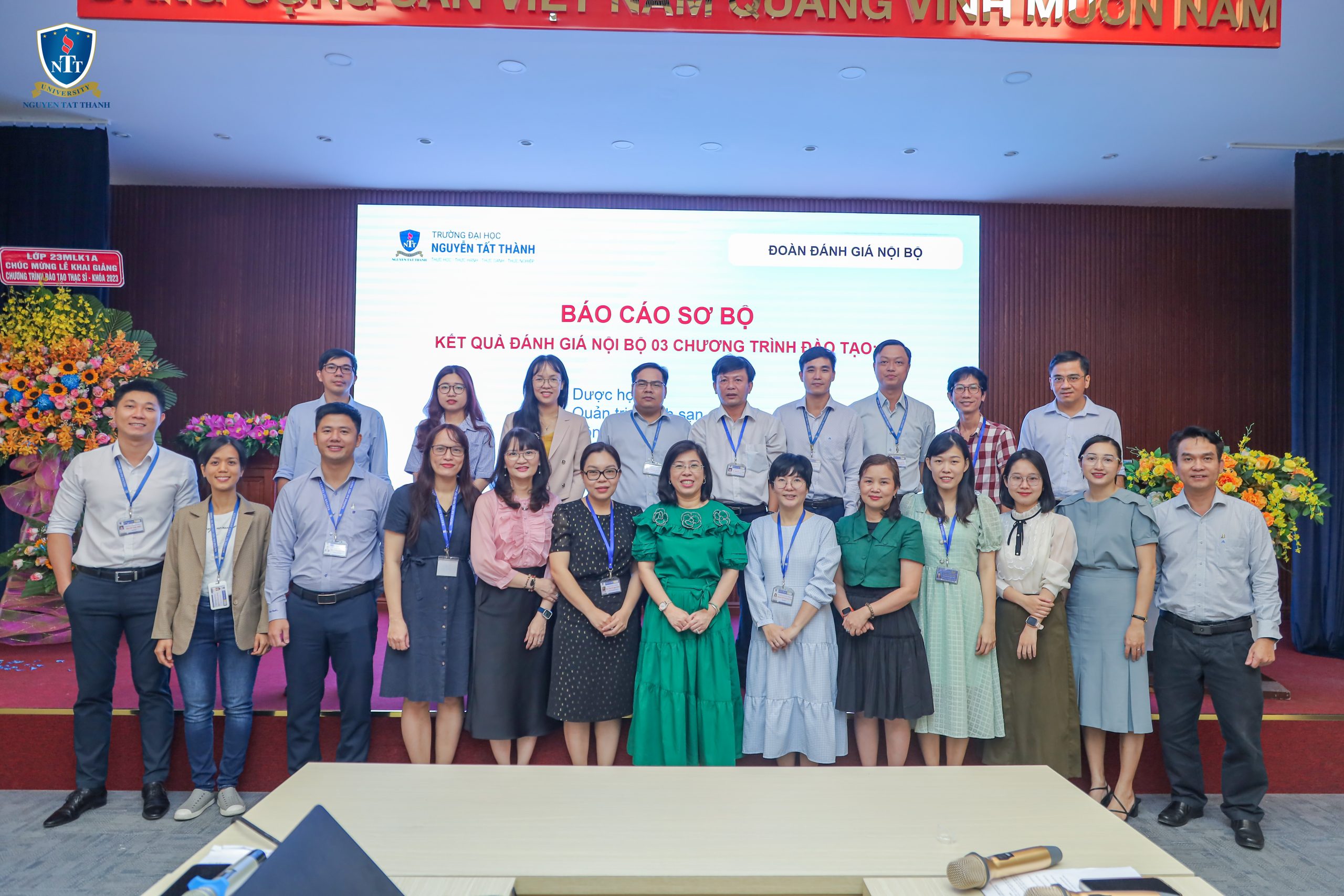
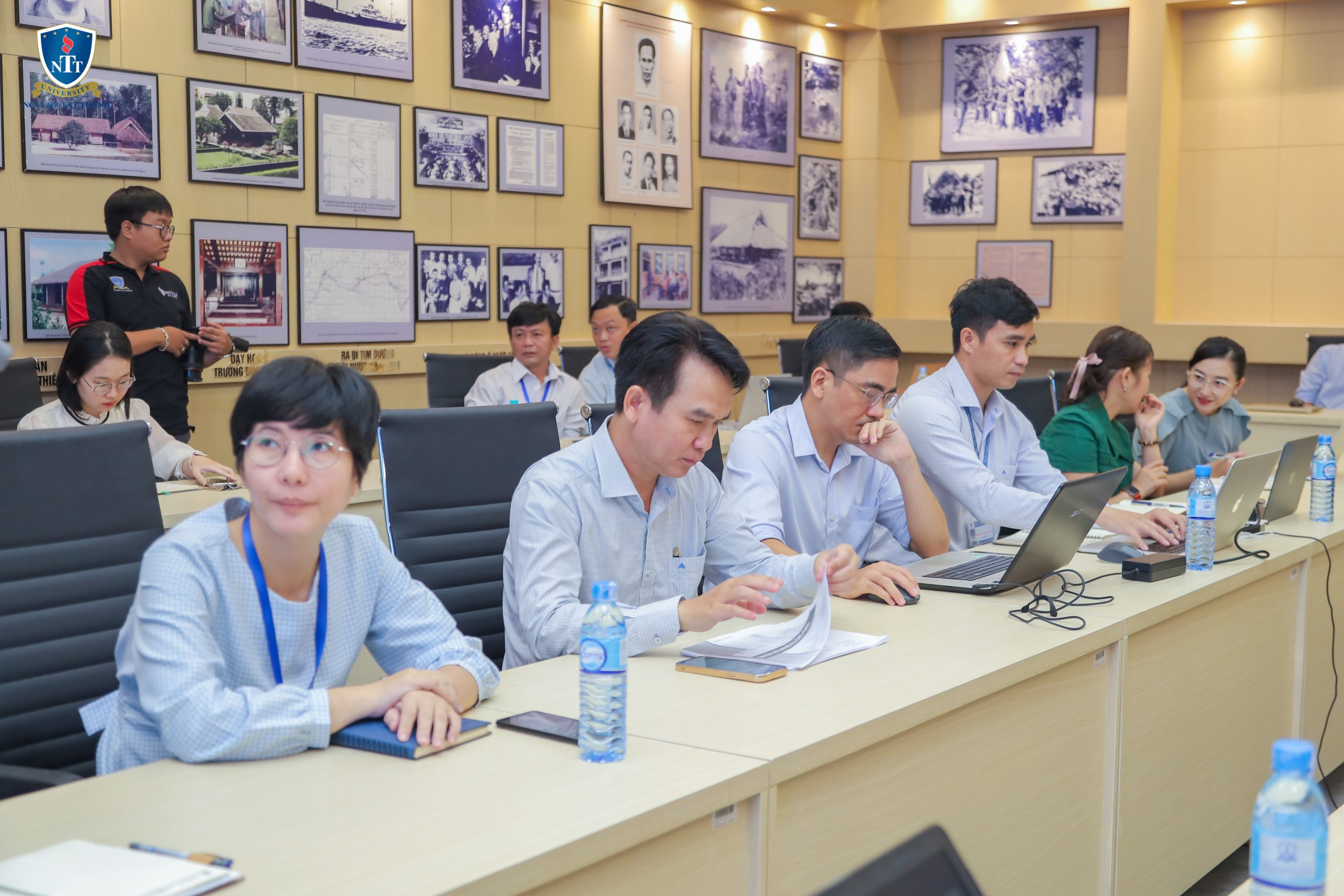
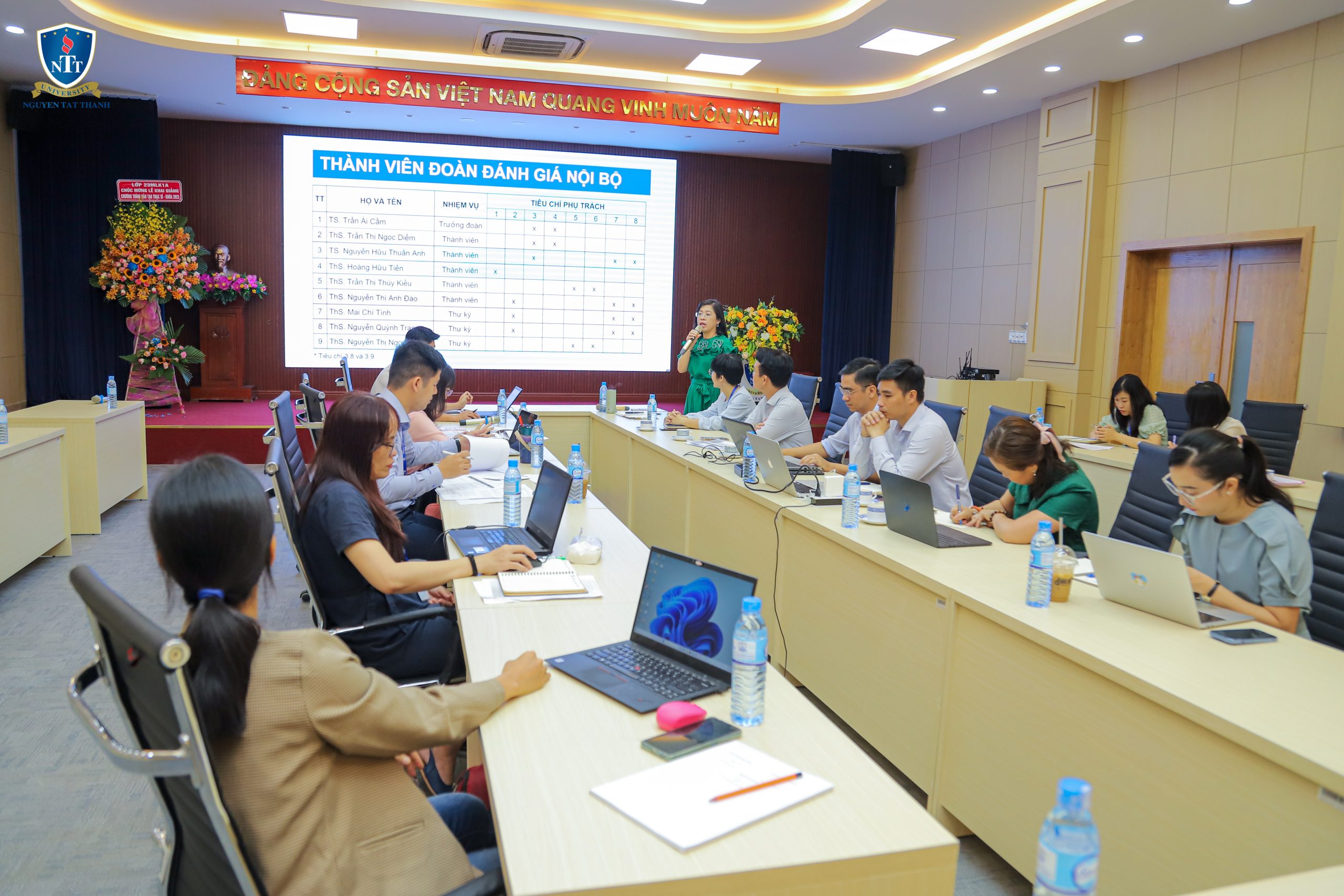
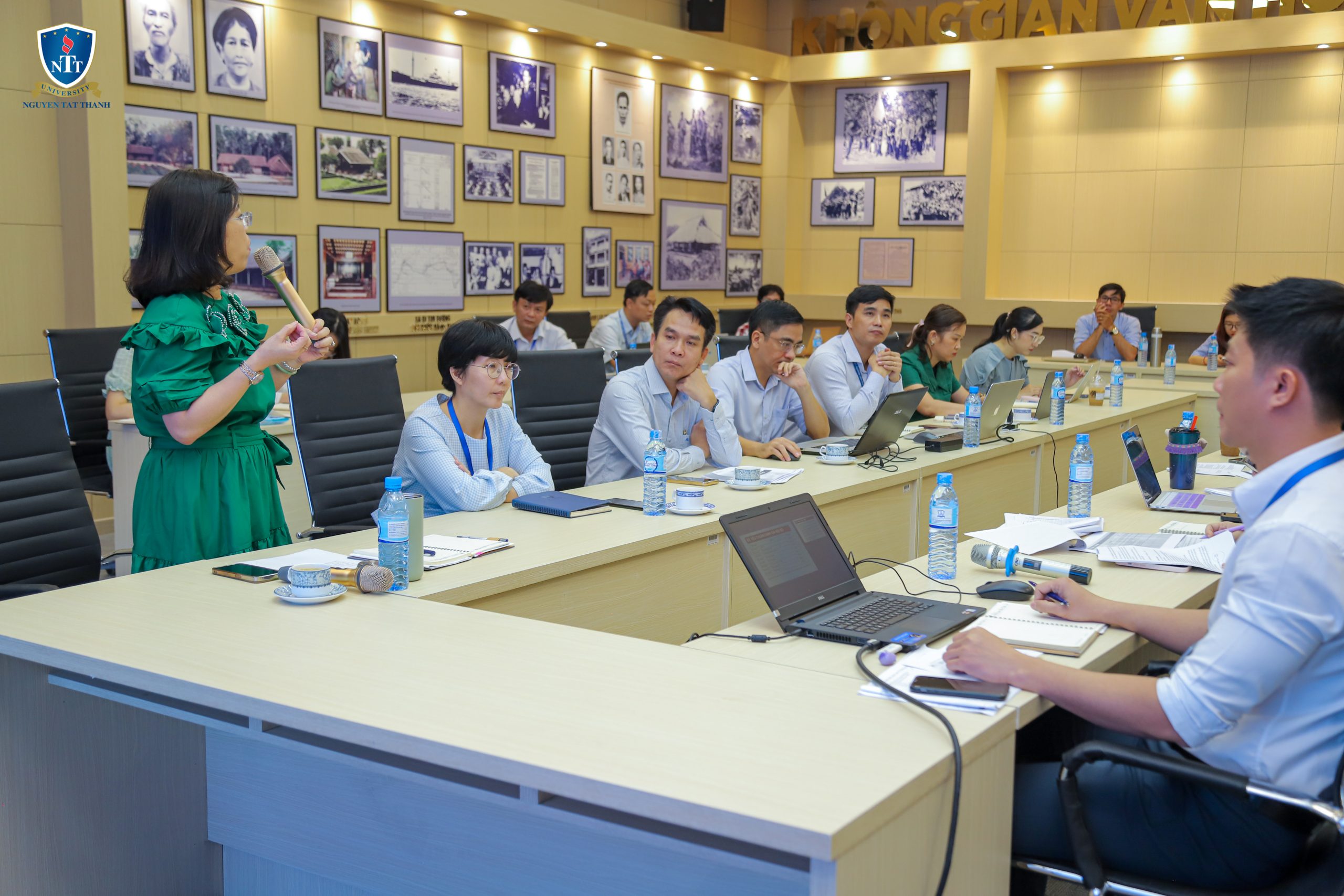
Following the feedback sessions, all three programs reached a consensus on the findings and pledged to develop concrete improvement plans to address remaining gaps.
On August 16, the assessment continued with four additional programs: Business Administration, English Language, Information Technology, and Finance and Banking. A highlight of this session was the expert consultancy provided by Assoc. Prof. Dr. Pham Van Tuan regarding the alignment between NTTU’s Internal Assessment Standards and international frameworks such as Europe’s QAA and ASIIN. According to the expert, NTTU’s standards effectively address governance from the university to the faculty level, ensuring consistency and focusing on core indicators. To further align with international benchmarks, he recommended focusing on operational policies and processes to achieve results, balancing the professional and pedagogical competencies of faculty, and enhancing international student exchange and degree recognition.
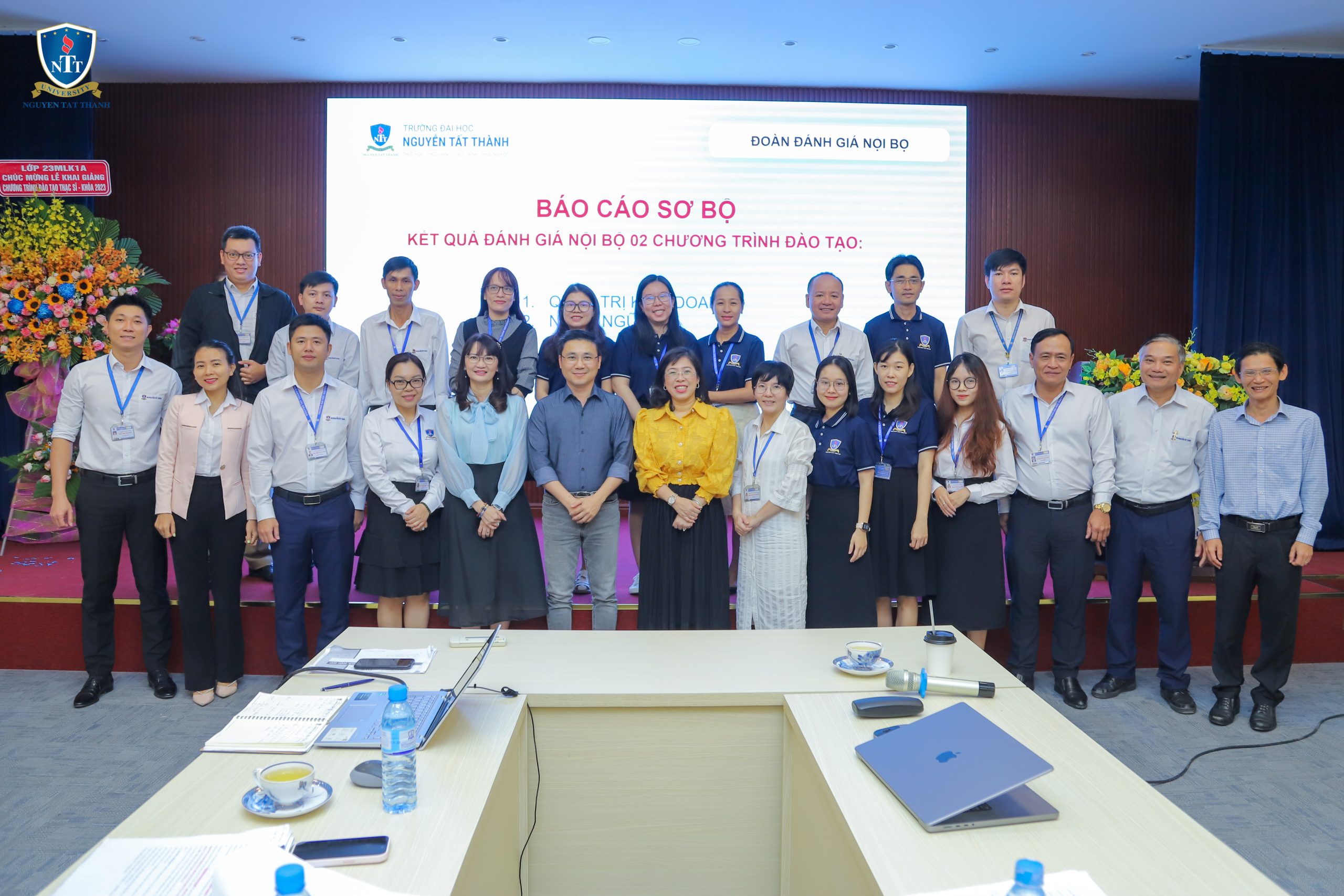
Over the two-day period, faculty representatives from all seven programs (Pharmacy; Hospitality Management; Electrical and Electronic Engineering Technology; Business Administration; English Language; Information Technology; Finance and Banking) engaged in in-depth discussions. They sought to better understand the nuances of the QAA and ASIIN criteria, preparing for future official accreditation registration under these international standards.
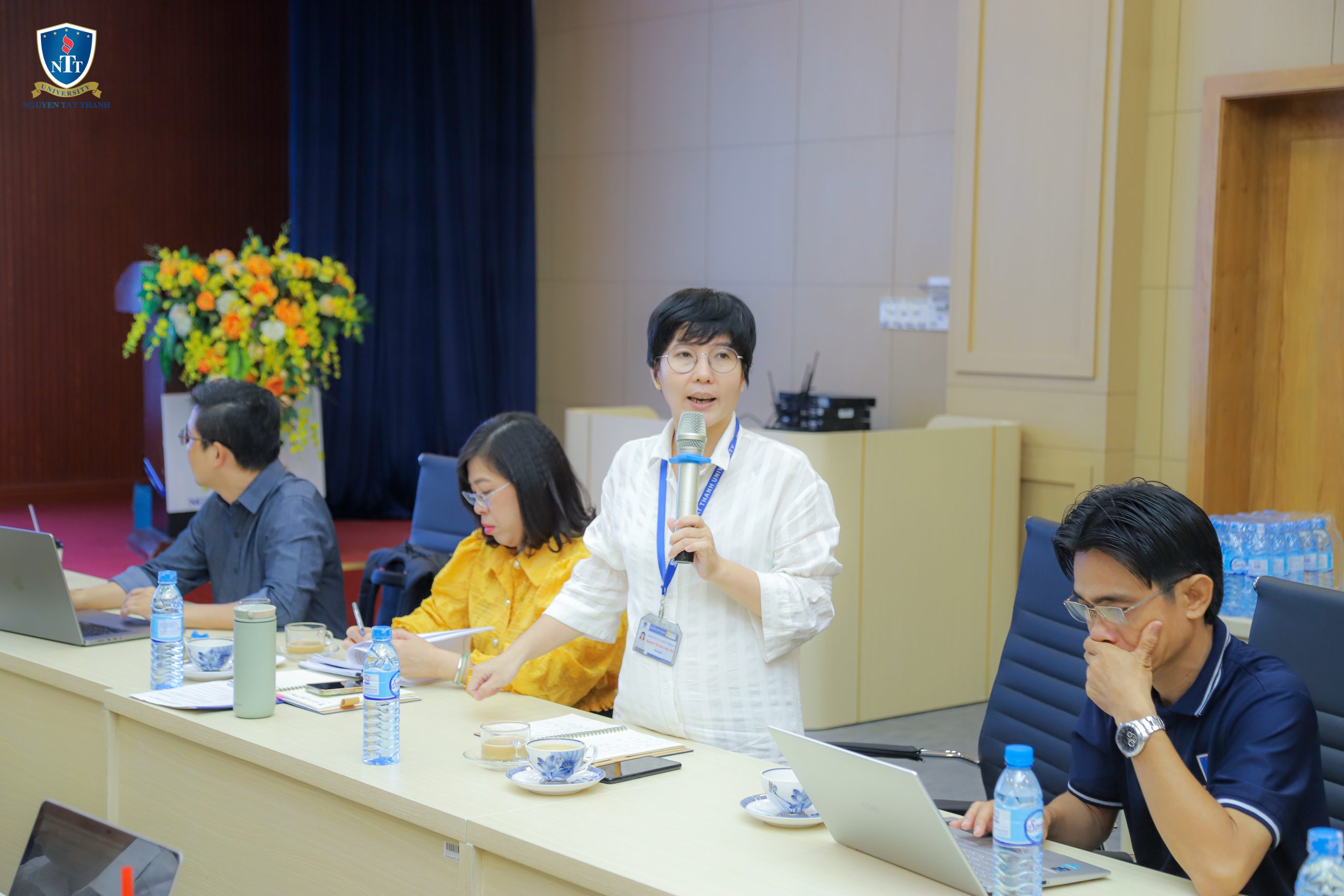
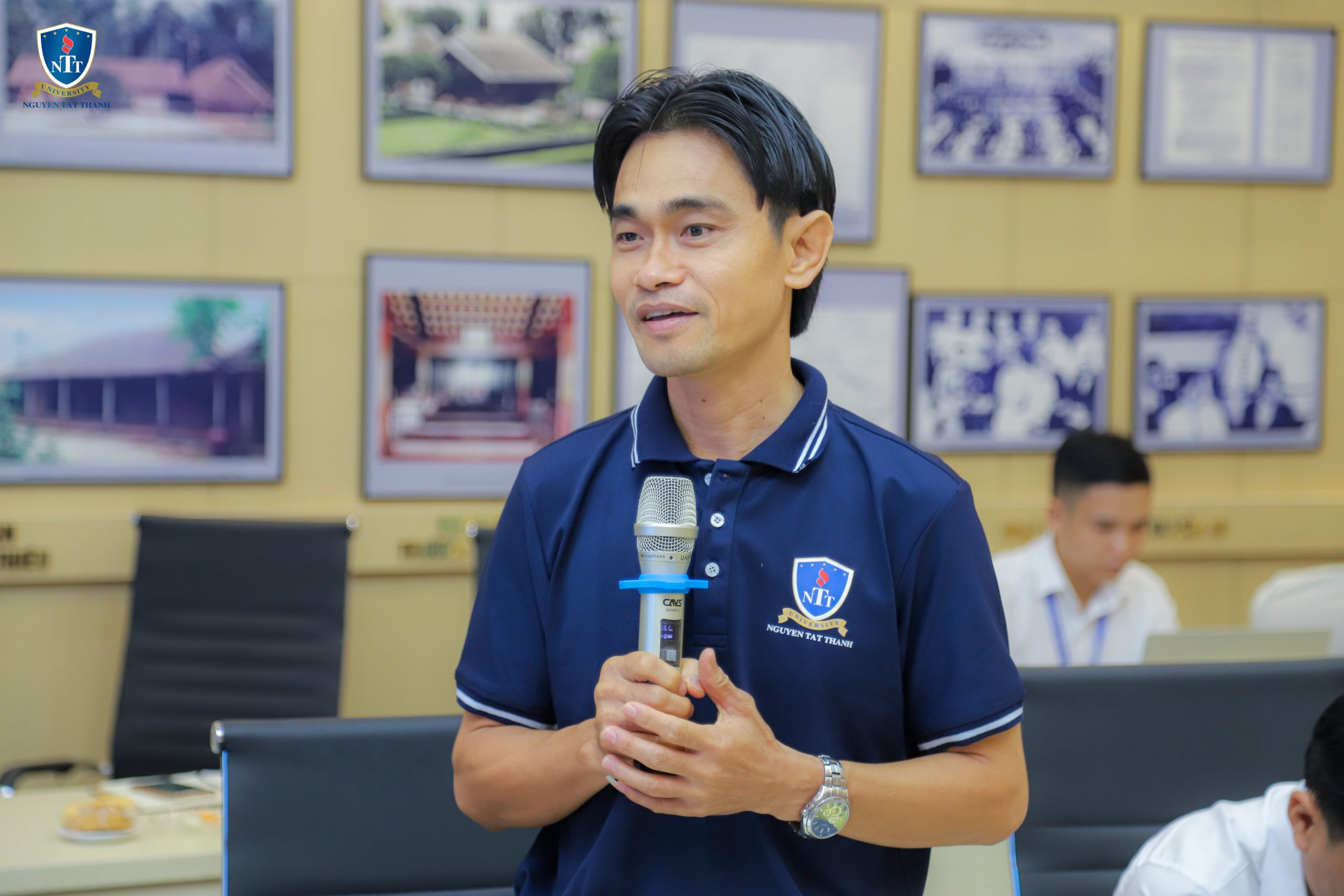
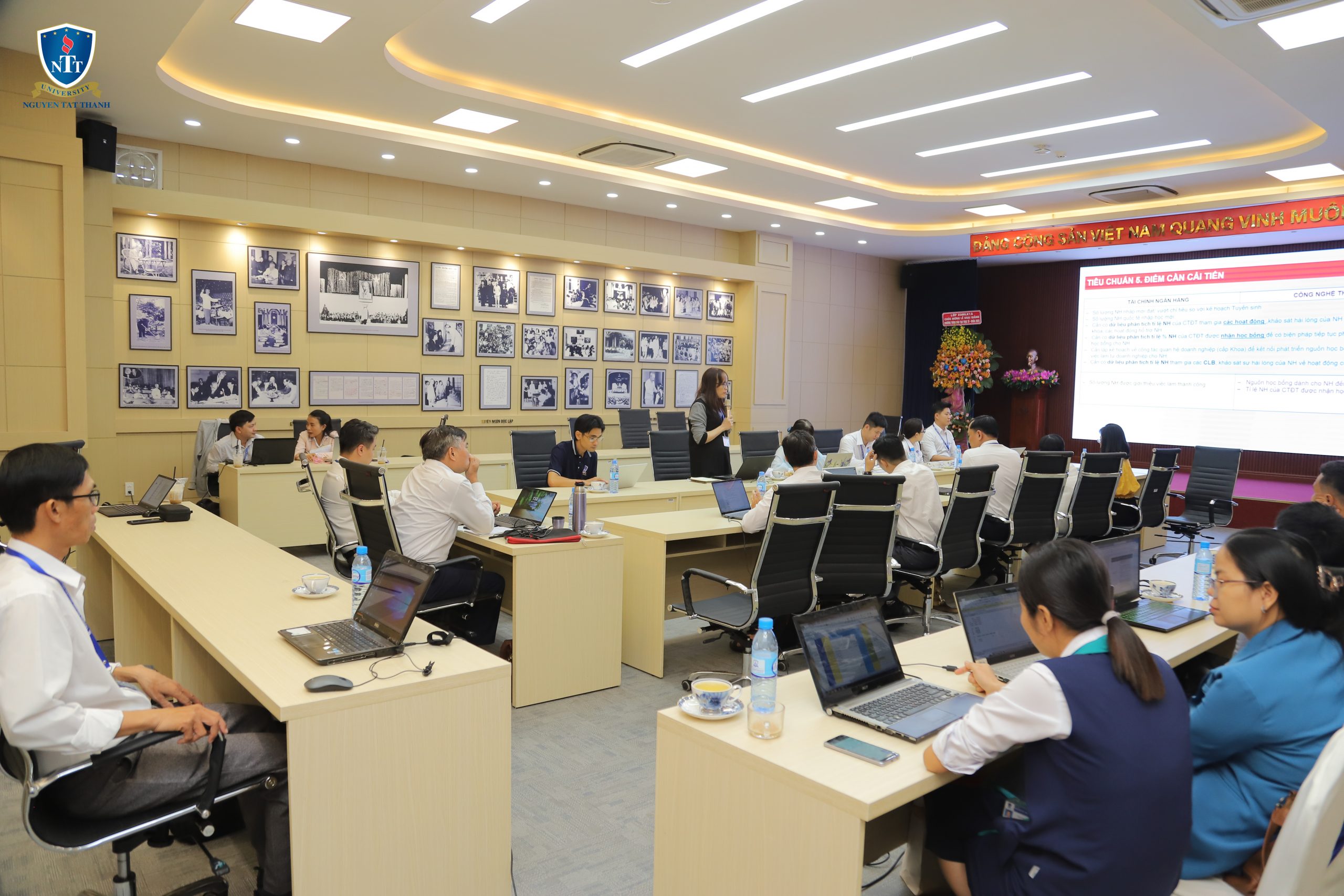
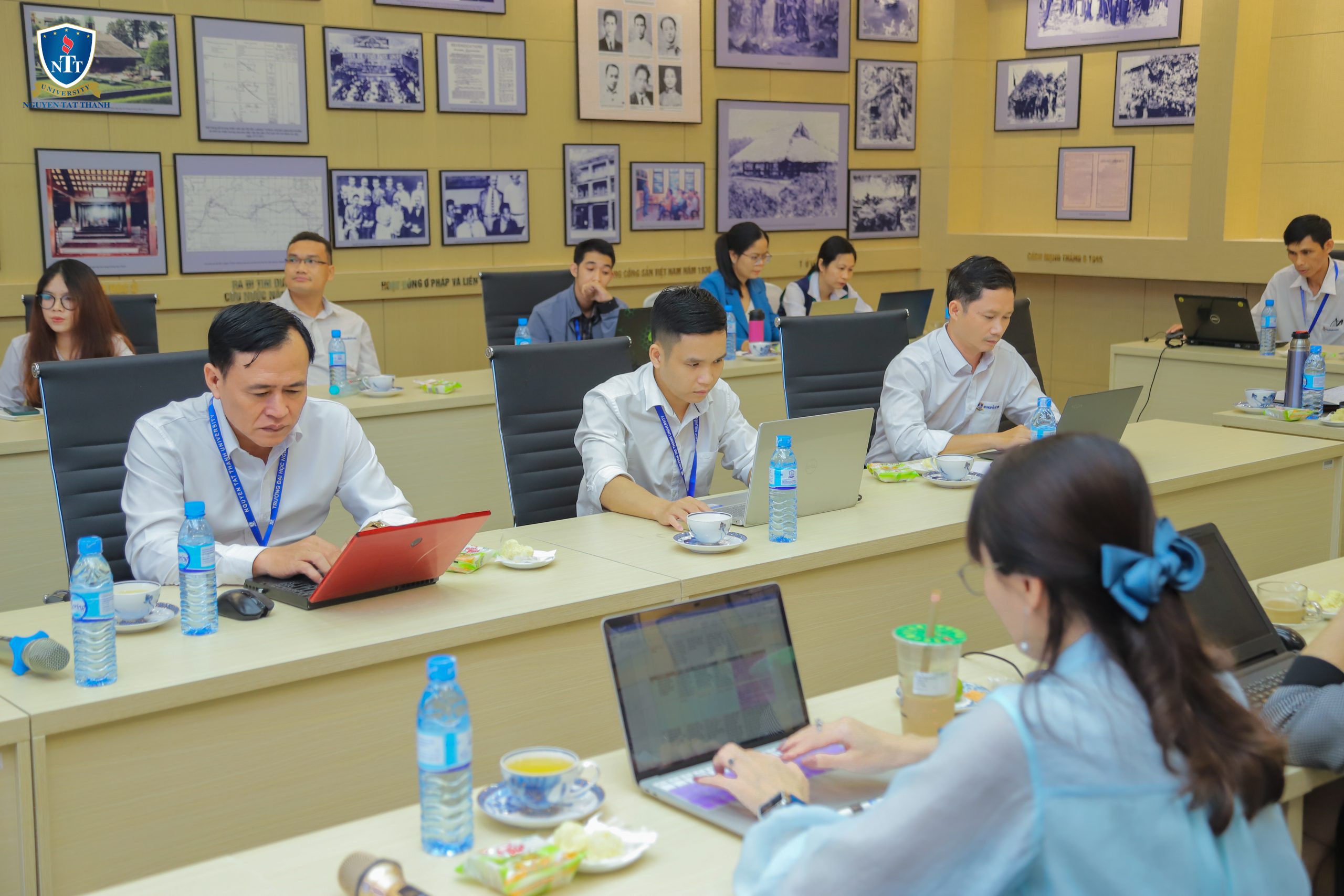
Faculty members attending the internal assessment session.
The Internal Assessment Standards were developed based on state regulatory requirements and the quality frameworks the University is pursuing, such as Circular 17/2021, Circular 04/2016, QS Stars, UPM, and the draft Institutional Standards. These standards focus on core metrics to evaluate quality and build an internal quality assurance database. The results of this cycle will enable the University to refine its tools, aiming to integrate policies, processes, and results through the PDCA (Plan-Do-Check-Act) cycle. This periodic internal assessment serves as a vital monitoring component within the Internal Quality Assurance (IQA) system, fostering a sustainable “quality culture.”
NTTU’s Internal Assessment Framework consists of 8 standards and 60 criteria: Standard 1: Governance (8 criteria)
Standard 2: Training Programs (8 criteria), Standard 3: Faculty and Research Staff (10 criteria), Standard 4: Support Staff (4 criteria), Standard 5: Student Support (7 criteria), Standard 6: Facilities and Library (9 criteria), Standard 7: Innovation (6 criteria), Standard 8: Output Results (8 criteria).
Department of Quality Assurance
